When exploring body enhancement treatments, two terms often come up: body skin tightening and body contouring. Although they are sometimes used interchangeably, they address different aesthetic concerns.
Someone concerned about loose or less firm-looking skin may need a different approach from someone hoping to improve the appearance of localised body fat.
Understanding the difference can help you make better decisions about available treatments and set realistic expectations.
1. What Is Body Skin Tightening?
Body skin tightening refers to treatments intended to improve the appearance of loose or lax skin.
Skin firmness can change with age, pregnancy, significant weight changes, and the natural reduction of collagen and elastin over time.
Depending on the technology used, some non-surgical treatments aim to stimulate changes in the skin’s supporting structures and improve its appearance.
Common approaches include:
Radiofrequency (RF) Skin Tightening: Uses controlled energy to heat targeted tissue and may stimulate collagen remodelling.
Ultrasound-Based Treatments: Certain technologies deliver focused ultrasound energy to selected tissue depths.
RF Microneedling: Combines microneedling with radiofrequency energy to target selected skin concerns.
The suitability of these procedures depends on the treatment area, degree of skin laxity, medical history, and the equipment being used.
2. What Is Body Contouring?
Body contouring refers to procedures designed to improve the shape and proportions of selected body areas.
Depending on the procedure, the objective may be to address localised fat deposits, improve body definition, or refine particular contours.
Some approaches are non-invasive, while others involve injections or surgery.
Examples include:
Cryolipolysis: Uses controlled cooling to target selected fat deposits.
Radiofrequency-Based Body Treatments: Some devices are designed to target tissue and may produce changes in body contour.
Ultrasound-Based Treatments: Certain technologies target localised tissue and are used for selected body-contouring purposes.
Injectable Fat Reduction: Specific injectable treatments may be used for certain approved treatment areas, depending on the product and local regulatory requirements.
Different technologies have different mechanisms, indications, and safety considerations. They should not all be assumed to produce the same results.
3. The Main Difference Between the Two
The simplest way to understand the distinction is to consider the primary concern being addressed.
Body skin tightening focuses on skin laxity and firmness.
Body contouring focuses on the shape and appearance of selected body areas.
For example, someone who has experienced significant weight loss may be concerned about loose skin around the abdomen. Another person may have relatively firm skin but remain concerned about a localised fat deposit.
These situations are not identical and may require different treatment assessments.
4. Can Body Contouring Tighten Loose Skin?
Some body-contouring technologies may also have effects on skin appearance, but this depends on the device and treatment protocol.
A treatment designed primarily to reduce localised fat should not automatically be expected to correct significant skin laxity.
In some circumstances, reducing the volume beneath already loose skin may make the looseness more noticeable.
This is why an assessment should distinguish between excess fat, loose skin, and a combination of both before a treatment is selected.
5. Can Skin Tightening Reduce Body Fat?
Skin tightening and fat reduction are different treatment objectives.
Some devices combine technologies or have more than one intended effect, but a skin-tightening procedure should not automatically be considered a fat-reduction treatment.
If your primary concern is localised fat, ask whether the proposed procedure is specifically designed and supported for that purpose.
Understanding the intended treatment outcome helps prevent unrealistic expectations.
6. Who May Consider Body Skin Tightening?
Depending on the technology and clinical assessment, skin-tightening procedures may be considered by people experiencing mild or moderate skin laxity.
Potential treatment areas may include:
The abdomen.
Upper arms.
Thighs.
Areas around the knees.
Other selected body areas.
The degree of improvement varies. Significant excess skin may require a surgical consultation rather than a non-surgical aesthetic procedure.
7. Who May Consider Body Contouring?
Body-contouring procedures may be considered by individuals who have specific concerns about selected body contours.
However, these procedures are not substitutes for general weight management or medical treatment of obesity.
A suitable candidate depends on the particular technology, the treatment area, medical history, and realistic expectations.
A professional assessment should establish whether the concern is appropriate for the proposed procedure.
8. What Results Should You Expect?
Results vary according to the treatment, individual anatomy, skin condition, and the body’s response.
Some procedures require multiple sessions, while others have a longer period before results can be evaluated.
It is also important to understand that non-surgical procedures generally produce different levels of change from surgery.
No responsible provider should guarantee a particular body shape or promise that loose skin or localised fat will disappear completely.
Ask about the expected degree of improvement, treatment timeline, maintenance, and limitations before proceeding.
9. Are There Risks and Side Effects?
Non-surgical does not mean risk-free.
Depending on the procedure, possible side effects may include:
Temporary redness.
Swelling.
Bruising.
Tenderness.
Discomfort.
Changes in skin sensation.
Burns or other tissue injury with certain energy-based treatments.
Some procedures have additional risks that require specific discussion.
Your provider should explain the relevant risks, contraindications, safety measures, and aftercare requirements before treatment.
10. How Do You Choose Between the Two?
Start by identifying the concern you want to address.
Ask yourself:
Am I primarily concerned about loose skin?
Is my concern related to localised fat?
Am I hoping to improve the appearance of cellulite?
Have I experienced significant weight changes?
What level of improvement am I realistically expecting?
A professional consultation can help distinguish between these concerns and determine whether skin tightening, body contouring, another approach, or no treatment is appropriate.
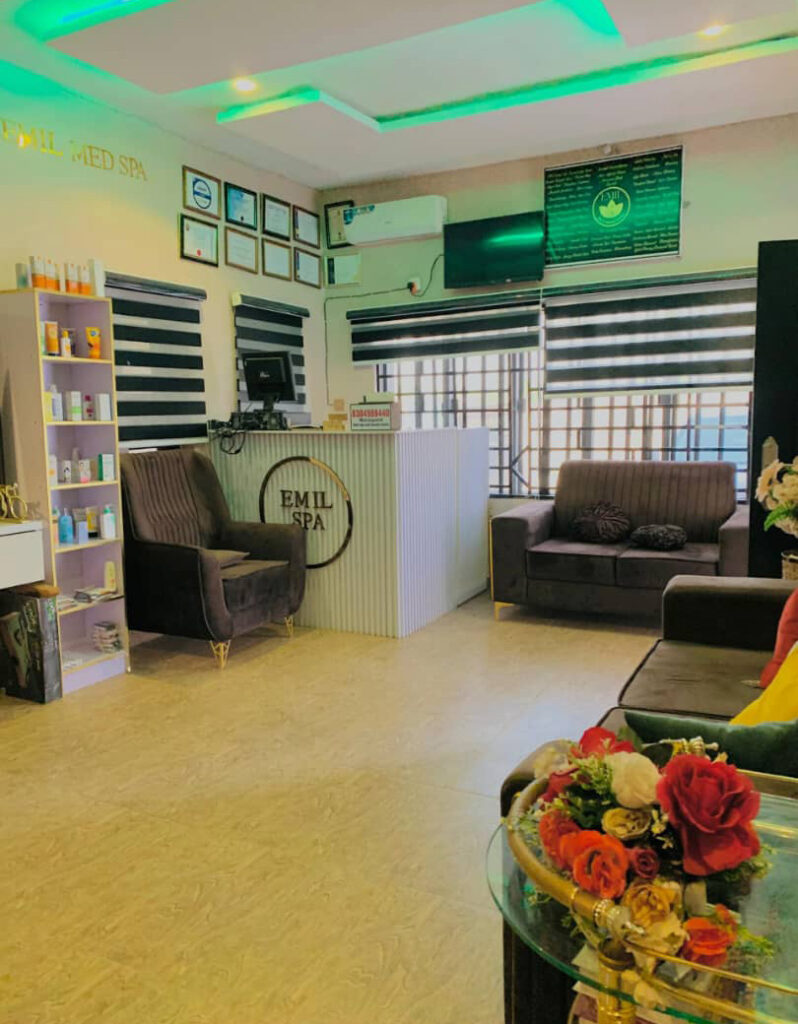
At Emil Spa & Beauty Haven, body enhancement options should be considered according to individual needs and the treatments available at the clinic.
Final Thoughts
Body skin tightening and body contouring may both contribute to aesthetic body enhancement, but they are not the same thing.
Skin tightening focuses on improving the appearance of loose or less firm-looking skin, while body contouring focuses on refining selected body areas.
Choosing between them requires understanding your primary concern, the technology involved, and what the treatment can realistically achieve.
The best treatment is not necessarily the most popular one. It is the option that is appropriate for your body, goals, and safety.
SEO DETAILS
SEO Title: Body Skin Tightening vs Body Contouring: Key Differences
Meta Description: Understand the difference between body skin tightening and body contouring, their treatment options, benefits, limitations, and how to choose the right approach.
Focus Keyword: Body Skin Tightening vs Body Contouring

When exploring body enhancement treatments, two terms often come up: body skin tightening and body contouring. Although they are sometimes used interchangeably, they address different aesthetic concerns.
Someone concerned about loose or less firm-looking skin may need a different approach from someone hoping to improve the appearance of localised body fat.
Understanding the difference can help you make better decisions about available treatments and set realistic expectations.
1. What Is Body Skin Tightening?
Body skin tightening refers to treatments intended to improve the appearance of loose or lax skin.
Skin firmness can change with age, pregnancy, significant weight changes, and the natural reduction of collagen and elastin over time.
Depending on the technology used, some non-surgical treatments aim to stimulate changes in the skin’s supporting structures and improve its appearance.
Common approaches include:
The suitability of these procedures depends on the treatment area, degree of skin laxity, medical history, and the equipment being used.
2. What Is Body Contouring?
Body contouring refers to procedures designed to improve the shape and proportions of selected body areas.
Depending on the procedure, the objective may be to address localised fat deposits, improve body definition, or refine particular contours.
Some approaches are non-invasive, while others involve injections or surgery.
Examples include:
Different technologies have different mechanisms, indications, and safety considerations. They should not all be assumed to produce the same results.
3. The Main Difference Between the Two
The simplest way to understand the distinction is to consider the primary concern being addressed.
Body skin tightening focuses on skin laxity and firmness.
Body contouring focuses on the shape and appearance of selected body areas.
For example, someone who has experienced significant weight loss may be concerned about loose skin around the abdomen. Another person may have relatively firm skin but remain concerned about a localised fat deposit.
These situations are not identical and may require different treatment assessments.
4. Can Body Contouring Tighten Loose Skin?
Some body-contouring technologies may also have effects on skin appearance, but this depends on the device and treatment protocol.
A treatment designed primarily to reduce localised fat should not automatically be expected to correct significant skin laxity.
In some circumstances, reducing the volume beneath already loose skin may make the looseness more noticeable.
This is why an assessment should distinguish between excess fat, loose skin, and a combination of both before a treatment is selected.
5. Can Skin Tightening Reduce Body Fat?
Skin tightening and fat reduction are different treatment objectives.
Some devices combine technologies or have more than one intended effect, but a skin-tightening procedure should not automatically be considered a fat-reduction treatment.
If your primary concern is localised fat, ask whether the proposed procedure is specifically designed and supported for that purpose.
Understanding the intended treatment outcome helps prevent unrealistic expectations.
6. Who May Consider Body Skin Tightening?
Depending on the technology and clinical assessment, skin-tightening procedures may be considered by people experiencing mild or moderate skin laxity.
Potential treatment areas may include:
The degree of improvement varies. Significant excess skin may require a surgical consultation rather than a non-surgical aesthetic procedure.
7. Who May Consider Body Contouring?
Body-contouring procedures may be considered by individuals who have specific concerns about selected body contours.
However, these procedures are not substitutes for general weight management or medical treatment of obesity.
A suitable candidate depends on the particular technology, the treatment area, medical history, and realistic expectations.
A professional assessment should establish whether the concern is appropriate for the proposed procedure.
8. What Results Should You Expect?
Results vary according to the treatment, individual anatomy, skin condition, and the body’s response.
Some procedures require multiple sessions, while others have a longer period before results can be evaluated.
It is also important to understand that non-surgical procedures generally produce different levels of change from surgery.
No responsible provider should guarantee a particular body shape or promise that loose skin or localised fat will disappear completely.
Ask about the expected degree of improvement, treatment timeline, maintenance, and limitations before proceeding.
9. Are There Risks and Side Effects?
Non-surgical does not mean risk-free.
Depending on the procedure, possible side effects may include:
Some procedures have additional risks that require specific discussion.
Your provider should explain the relevant risks, contraindications, safety measures, and aftercare requirements before treatment.
10. How Do You Choose Between the Two?
Start by identifying the concern you want to address.
Ask yourself:
A professional consultation can help distinguish between these concerns and determine whether skin tightening, body contouring, another approach, or no treatment is appropriate.
At Emil Spa & Beauty Haven, body enhancement options should be considered according to individual needs and the treatments available at the clinic.
Final Thoughts
Body skin tightening and body contouring may both contribute to aesthetic body enhancement, but they are not the same thing.
Skin tightening focuses on improving the appearance of loose or less firm-looking skin, while body contouring focuses on refining selected body areas.
Choosing between them requires understanding your primary concern, the technology involved, and what the treatment can realistically achieve.
The best treatment is not necessarily the most popular one. It is the option that is appropriate for your body, goals, and safety.
SEO DETAILS
SEO Title: Body Skin Tightening vs Body Contouring: Key Differences
Meta Description: Understand the difference between body skin tightening and body contouring, their treatment options, benefits, limitations, and how to choose the right approach.
Focus Keyword: Body Skin Tightening vs Body Contouring
Related Keywords:
#EmilSpaAesthetics #EmilSpa #BeautyHaven #BodyEnhancement #BodyContouring #SkinTightening #BodySculpting #RadiofrequencyTreatment #AestheticTreatments #AbujaBeauty #KubwaAbuja