Have you ever used the same skincare products for months or even years and suddenly noticed that they do not seem to be doing as much as they used to?
Your cleanser still cleanses. Your moisturiser still moisturises. Your serum has not changed. Yet your skin may look less radiant, feel drier, develop more uneven texture, or simply seem less responsive than before.
It is easy to assume that your skin has somehow become “immune” to your skincare products. In most cases, that is not what is happening.
The skin is a constantly changing organ. Its hydration, oil production, cell turnover, collagen levels, barrier function and sensitivity can all change over time. Environmental conditions, age, lifestyle and even previous aesthetic treatments can also influence what your skin needs.
This is why an effective skincare routine is not necessarily one that never changes. Sometimes, the better approach is to reassess what your skin is doing now and adjust accordingly.
Your Skin Does Not Stay the Same Forever
One of the biggest mistakes in skincare is treating the skin as though its needs remain constant.
They do not.
The skin can change because of:
Ageing
Changes in hormone levels
Weather and humidity
Sun exposure
Stress
Sleep patterns
Diet and lifestyle
Changes in medication
Increased or decreased oil production
Repeated use of potentially irritating products
Previous aesthetic procedures
Changes in the skin barrier
A routine that was appropriate when your skin was oilier may become too drying later. Similarly, products that were enough to maintain hydration when your skin was younger may no longer address increasing dryness, roughness or visible fine lines.
The product may not have “stopped working.” Your skin may simply have changed.
Has Your Skin Actually Become Resistant to Your Products?
This is where skincare terminology can become confusing.
For most everyday skincare products, the skin does not develop resistance in the same way that certain microorganisms can develop resistance to medications.
Instead, several things can happen.
A product may have already achieved much of what it can realistically do. Your skin may have improved, meaning the dramatic changes you initially noticed are no longer as obvious.
For example, if a moisturiser significantly improved dryness, there may be less visible improvement once the skin is already well hydrated.
Similarly, a skincare ingredient may continue performing its intended function while the overall appearance of your skin changes because of other factors.
This is why evaluating your skin based on its current condition is often more useful than simply asking whether a particular product is still “working.”
Your Skin May Have Adapted to Your Routine
There is another important distinction between skin adaptation and product failure.
When you introduce a new skincare product, especially one containing an active ingredient, you may notice a noticeable difference because your routine has changed.
Over time, that difference may become less dramatic.
This does not necessarily mean the ingredient has stopped functioning. It may simply mean that the initial improvement has reached a plateau.
Think of it as moving from correction to maintenance.
Once a particular concern has improved, the purpose of the routine may shift from producing dramatic visible changes to maintaining those improvements and preventing new problems.
Ageing Can Change What Your Skin Needs
Ageing is one of the most obvious reasons a previously successful routine may eventually need adjustment.
As skin ages, several processes gradually change.
Collagen and elastin production decline. Cell turnover can become slower. The skin may retain moisture differently, while cumulative environmental exposure can contribute to changes in pigmentation, texture and elasticity.
You may therefore notice:
Fine lines becoming more visible
Rougher or less even texture
Increased dryness
Reduced elasticity
Loss of firmness
Changes in pigmentation
A less noticeable natural glow
A routine designed primarily for oil control, for example, may not provide everything mature skin needs.
This does not mean replacing every product simply because you have reached a certain age. It means periodically asking whether your routine still addresses your current concerns.
Your Environment Can Change Your Skin Too
Sometimes the reason your skincare routine seems less effective has little to do with the products themselves.
Your environment matters.
Heat, humidity, air conditioning, pollution and sun exposure can all affect how the skin behaves.
For someone living in a hot and humid environment, excessive sweating and increased oil production may become more noticeable. During periods of intense sun exposure, pigmentation concerns may also become more apparent.
On the other hand, spending more time in air-conditioned environments can contribute to a feeling of dryness or tightness in some people.
If your lifestyle or environment has changed, your skincare needs may change with it.
More Products Do Not Necessarily Mean Better Results
When people feel that their routine is no longer working, one common reaction is to add more products.
A new serum.
Another exfoliant.
A stronger active.
Another facial.
Then another product to deal with the irritation caused by the previous products.
This can quickly become counterproductive.
Using multiple active ingredients without considering how they interact with one another can increase irritation and compromise the skin barrier.
Sometimes the solution is not adding something new.
It may be simplifying the routine and giving the skin an opportunity to recover.
A good skincare routine should be effective, but it should also be sustainable.
Your Skin Barrier May Be the Reason Things Feel Different
The skin barrier plays an important role in maintaining hydration and protecting the skin from external irritants.
If the barrier becomes compromised, your usual products may suddenly feel different.
You may experience:
Tightness
Dryness
Increased sensitivity
Stinging when applying products
Rough texture
Flaking
Increased reactivity
In this situation, increasing the strength or number of active ingredients may not be the appropriate response.
Your skin may need a period of barrier-supportive care instead.
This is one reason professional assessment can be useful when your skin begins behaving differently without an obvious explanation.
Sometimes the Problem Is the Goal, Not the Product
Another reason people believe their routine has stopped working is that their expectations have changed.
Perhaps your original goal was simply to improve dryness.
Now your concerns may include pigmentation, uneven texture, fine lines, enlarged-looking pores or loss of firmness.
Your products may still be doing exactly what they were designed to do.
They simply may not have been designed to address your new priorities.
This is an important principle in aesthetic skincare:
A product should be evaluated against its intended purpose, not against every concern you currently have.
A moisturiser can support hydration without correcting significant pigmentation. A cleanser can remove dirt and excess oil without tightening sagging skin. A sunscreen can help protect against UV-related damage without reversing existing wrinkles.
Understanding what each product can realistically accomplish makes it easier to identify when your routine needs to evolve.
When Should You Reassess Your Skincare Routine?
You do not necessarily need to change your routine every few weeks.
Constantly switching products can make it difficult to understand what is actually helping your skin.
However, reassessment may be worthwhile when you notice persistent changes such as:
Your skin has become noticeably drier
If your previous routine controlled oil effectively but now leaves your skin feeling tight or uncomfortable, your routine may need more emphasis on hydration and barrier support.
Your skin texture has changed
Persistent roughness, uneven texture or increased visibility of fine lines may indicate that your current routine is no longer addressing your priorities.
You are experiencing repeated irritation
If products that previously felt comfortable are now causing burning, stinging or persistent redness, it is worth reconsidering your routine rather than simply pushing through the irritation.
Your pigmentation concerns have changed
New or worsening uneven pigmentation may require a different approach, particularly where sun exposure and post-inflammatory pigmentation are involved.
You have started an aesthetic treatment
Your skincare routine may need to be adjusted around certain professional aesthetic procedures. Some active ingredients can be inappropriate immediately around particular treatments because of increased irritation or sensitivity.
This is one area where professional guidance can be particularly useful.
Skincare and Professional Aesthetic Treatments Can Work Together
Professional aesthetic treatments do not necessarily replace a home skincare routine.
In many cases, they serve different purposes.
A well-designed home routine can support everyday skin maintenance, while professional treatments may target concerns that require a different level of intervention.
Depending on the individual, aesthetic approaches may include professional facials, chemical peels, microneedling, skin boosters and other treatments designed around specific skin concerns.
The important part is choosing the treatment based on the condition and goals of the skin rather than simply following whatever treatment happens to be popular.
Professional treatment should also be considered as part of the overall skincare picture rather than as an isolated event.
Why Skin Analysis Can Be Useful
Sometimes the most useful step is not buying another product.
It is finding out what your skin actually needs.
A professional skin analysis can help assess concerns such as hydration, oiliness, pigmentation, texture and other visible characteristics of the skin.
This can provide a more structured basis for deciding whether the current routine should be continued, simplified or modified.
It can also help identify when a concern may be better addressed through a professional aesthetic treatment rather than continually adding home-care products.
The goal is not to create the longest skincare routine possible.
The goal is to create an appropriate one.
How Often Should You Change Your Skincare Products?
There is no universal schedule that says everyone should replace their skincare routine every three, six or twelve months.
Some products can remain useful for years.
The better question is:
Does my current routine still match my skin’s current needs?
If the answer is yes and your skin is comfortable and healthy-looking, there may be no reason to make major changes.
If your skin has developed new concerns or your routine is causing persistent dryness or irritation, reassessment may make sense.
Changing products simply for the sake of having something new can create unnecessary problems.
The Goal Is Not Constantly Changing Your Skin
Good skincare is not about chasing a completely different appearance every few months.
Healthy-looking skin naturally has pores, lines, texture and variations in tone.
The objective of skincare and aesthetic treatments should be realistic improvement and appropriate maintenance, not the elimination of every natural characteristic of skin.
Sometimes the best adjustment is a new product.
Sometimes it is reducing unnecessary products.
Sometimes it is adding professional treatment.
And sometimes the right answer is simply to continue what you are already doing.
The difference comes from understanding what your skin needs at that particular stage.
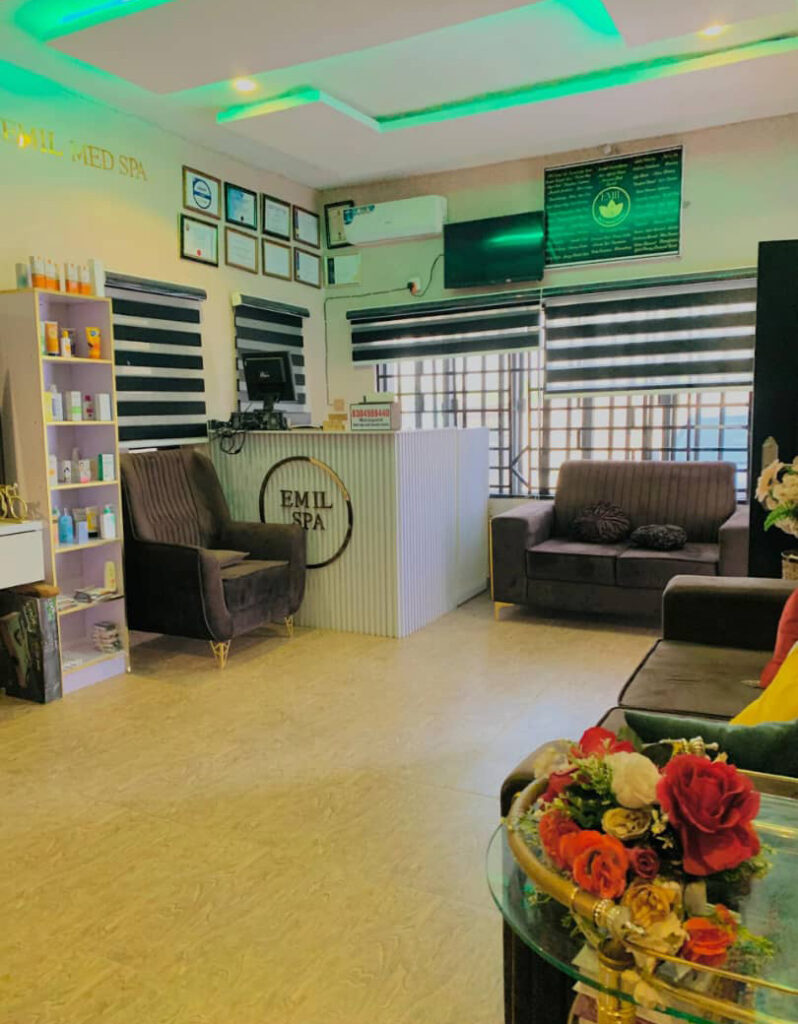
How Emil Spa & Beauty Haven Approaches Skin Care
At Emil Spa & Beauty Haven, skincare and aesthetic treatments can be approached as part of an individual’s broader skin goals rather than as a one-size-fits-all routine.
Professional skin analysis can help provide a clearer understanding of the skin before deciding whether a particular skincare approach or aesthetic treatment is appropriate.
Depending on the concern, professional options may include facials, chemical peels, microneedling, skin boosters, mesotherapy and other aesthetic services.
The important principle is assessment first, treatment second.
Because when your skin changes, the answer is not always another product. Sometimes, it is simply time to reassess what your skin actually needs.
Final Thoughts
If your skincare routine no longer seems to produce the same results, it does not necessarily mean your products have stopped working.
Your skin may have changed.
Age, environment, lifestyle, skin-barrier health and changing aesthetic concerns can all influence what your skin needs.
Instead of continuously adding stronger products, take a step back and evaluate the bigger picture.
A good skincare routine is not necessarily the one with the most products.
It is the one that continues to make sense for your skin, your concerns and your current stage of life.

Have you ever used the same skincare products for months or even years and suddenly noticed that they do not seem to be doing as much as they used to?
Your cleanser still cleanses. Your moisturiser still moisturises. Your serum has not changed. Yet your skin may look less radiant, feel drier, develop more uneven texture, or simply seem less responsive than before.
It is easy to assume that your skin has somehow become “immune” to your skincare products. In most cases, that is not what is happening.
The skin is a constantly changing organ. Its hydration, oil production, cell turnover, collagen levels, barrier function and sensitivity can all change over time. Environmental conditions, age, lifestyle and even previous aesthetic treatments can also influence what your skin needs.
This is why an effective skincare routine is not necessarily one that never changes. Sometimes, the better approach is to reassess what your skin is doing now and adjust accordingly.
Your Skin Does Not Stay the Same Forever
One of the biggest mistakes in skincare is treating the skin as though its needs remain constant.
They do not.
The skin can change because of:
A routine that was appropriate when your skin was oilier may become too drying later. Similarly, products that were enough to maintain hydration when your skin was younger may no longer address increasing dryness, roughness or visible fine lines.
The product may not have “stopped working.” Your skin may simply have changed.
Has Your Skin Actually Become Resistant to Your Products?
This is where skincare terminology can become confusing.
For most everyday skincare products, the skin does not develop resistance in the same way that certain microorganisms can develop resistance to medications.
Instead, several things can happen.
A product may have already achieved much of what it can realistically do. Your skin may have improved, meaning the dramatic changes you initially noticed are no longer as obvious.
For example, if a moisturiser significantly improved dryness, there may be less visible improvement once the skin is already well hydrated.
Similarly, a skincare ingredient may continue performing its intended function while the overall appearance of your skin changes because of other factors.
This is why evaluating your skin based on its current condition is often more useful than simply asking whether a particular product is still “working.”
Your Skin May Have Adapted to Your Routine
There is another important distinction between skin adaptation and product failure.
When you introduce a new skincare product, especially one containing an active ingredient, you may notice a noticeable difference because your routine has changed.
Over time, that difference may become less dramatic.
This does not necessarily mean the ingredient has stopped functioning. It may simply mean that the initial improvement has reached a plateau.
Think of it as moving from correction to maintenance.
Once a particular concern has improved, the purpose of the routine may shift from producing dramatic visible changes to maintaining those improvements and preventing new problems.
Ageing Can Change What Your Skin Needs
Ageing is one of the most obvious reasons a previously successful routine may eventually need adjustment.
As skin ages, several processes gradually change.
Collagen and elastin production decline. Cell turnover can become slower. The skin may retain moisture differently, while cumulative environmental exposure can contribute to changes in pigmentation, texture and elasticity.
You may therefore notice:
A routine designed primarily for oil control, for example, may not provide everything mature skin needs.
This does not mean replacing every product simply because you have reached a certain age. It means periodically asking whether your routine still addresses your current concerns.
Your Environment Can Change Your Skin Too
Sometimes the reason your skincare routine seems less effective has little to do with the products themselves.
Your environment matters.
Heat, humidity, air conditioning, pollution and sun exposure can all affect how the skin behaves.
For someone living in a hot and humid environment, excessive sweating and increased oil production may become more noticeable. During periods of intense sun exposure, pigmentation concerns may also become more apparent.
On the other hand, spending more time in air-conditioned environments can contribute to a feeling of dryness or tightness in some people.
If your lifestyle or environment has changed, your skincare needs may change with it.
More Products Do Not Necessarily Mean Better Results
When people feel that their routine is no longer working, one common reaction is to add more products.
A new serum.
Another exfoliant.
A stronger active.
Another facial.
Then another product to deal with the irritation caused by the previous products.
This can quickly become counterproductive.
Using multiple active ingredients without considering how they interact with one another can increase irritation and compromise the skin barrier.
Sometimes the solution is not adding something new.
It may be simplifying the routine and giving the skin an opportunity to recover.
A good skincare routine should be effective, but it should also be sustainable.
Your Skin Barrier May Be the Reason Things Feel Different
The skin barrier plays an important role in maintaining hydration and protecting the skin from external irritants.
If the barrier becomes compromised, your usual products may suddenly feel different.
You may experience:
In this situation, increasing the strength or number of active ingredients may not be the appropriate response.
Your skin may need a period of barrier-supportive care instead.
This is one reason professional assessment can be useful when your skin begins behaving differently without an obvious explanation.
Sometimes the Problem Is the Goal, Not the Product
Another reason people believe their routine has stopped working is that their expectations have changed.
Perhaps your original goal was simply to improve dryness.
Now your concerns may include pigmentation, uneven texture, fine lines, enlarged-looking pores or loss of firmness.
Your products may still be doing exactly what they were designed to do.
They simply may not have been designed to address your new priorities.
This is an important principle in aesthetic skincare:
A product should be evaluated against its intended purpose, not against every concern you currently have.
A moisturiser can support hydration without correcting significant pigmentation. A cleanser can remove dirt and excess oil without tightening sagging skin. A sunscreen can help protect against UV-related damage without reversing existing wrinkles.
Understanding what each product can realistically accomplish makes it easier to identify when your routine needs to evolve.
When Should You Reassess Your Skincare Routine?
You do not necessarily need to change your routine every few weeks.
Constantly switching products can make it difficult to understand what is actually helping your skin.
However, reassessment may be worthwhile when you notice persistent changes such as:
Your skin has become noticeably drier
If your previous routine controlled oil effectively but now leaves your skin feeling tight or uncomfortable, your routine may need more emphasis on hydration and barrier support.
Your skin texture has changed
Persistent roughness, uneven texture or increased visibility of fine lines may indicate that your current routine is no longer addressing your priorities.
You are experiencing repeated irritation
If products that previously felt comfortable are now causing burning, stinging or persistent redness, it is worth reconsidering your routine rather than simply pushing through the irritation.
Your pigmentation concerns have changed
New or worsening uneven pigmentation may require a different approach, particularly where sun exposure and post-inflammatory pigmentation are involved.
You have started an aesthetic treatment
Your skincare routine may need to be adjusted around certain professional aesthetic procedures. Some active ingredients can be inappropriate immediately around particular treatments because of increased irritation or sensitivity.
This is one area where professional guidance can be particularly useful.
Skincare and Professional Aesthetic Treatments Can Work Together
Professional aesthetic treatments do not necessarily replace a home skincare routine.
In many cases, they serve different purposes.
A well-designed home routine can support everyday skin maintenance, while professional treatments may target concerns that require a different level of intervention.
Depending on the individual, aesthetic approaches may include professional facials, chemical peels, microneedling, skin boosters and other treatments designed around specific skin concerns.
The important part is choosing the treatment based on the condition and goals of the skin rather than simply following whatever treatment happens to be popular.
Professional treatment should also be considered as part of the overall skincare picture rather than as an isolated event.
Why Skin Analysis Can Be Useful
Sometimes the most useful step is not buying another product.
It is finding out what your skin actually needs.
A professional skin analysis can help assess concerns such as hydration, oiliness, pigmentation, texture and other visible characteristics of the skin.
This can provide a more structured basis for deciding whether the current routine should be continued, simplified or modified.
It can also help identify when a concern may be better addressed through a professional aesthetic treatment rather than continually adding home-care products.
The goal is not to create the longest skincare routine possible.
The goal is to create an appropriate one.
How Often Should You Change Your Skincare Products?
There is no universal schedule that says everyone should replace their skincare routine every three, six or twelve months.
Some products can remain useful for years.
The better question is:
Does my current routine still match my skin’s current needs?
If the answer is yes and your skin is comfortable and healthy-looking, there may be no reason to make major changes.
If your skin has developed new concerns or your routine is causing persistent dryness or irritation, reassessment may make sense.
Changing products simply for the sake of having something new can create unnecessary problems.
The Goal Is Not Constantly Changing Your Skin
Good skincare is not about chasing a completely different appearance every few months.
Healthy-looking skin naturally has pores, lines, texture and variations in tone.
The objective of skincare and aesthetic treatments should be realistic improvement and appropriate maintenance, not the elimination of every natural characteristic of skin.
Sometimes the best adjustment is a new product.
Sometimes it is reducing unnecessary products.
Sometimes it is adding professional treatment.
And sometimes the right answer is simply to continue what you are already doing.
The difference comes from understanding what your skin needs at that particular stage.
How Emil Spa & Beauty Haven Approaches Skin Care
At Emil Spa & Beauty Haven, skincare and aesthetic treatments can be approached as part of an individual’s broader skin goals rather than as a one-size-fits-all routine.
Professional skin analysis can help provide a clearer understanding of the skin before deciding whether a particular skincare approach or aesthetic treatment is appropriate.
Depending on the concern, professional options may include facials, chemical peels, microneedling, skin boosters, mesotherapy and other aesthetic services.
The important principle is assessment first, treatment second.
Because when your skin changes, the answer is not always another product. Sometimes, it is simply time to reassess what your skin actually needs.
Final Thoughts
If your skincare routine no longer seems to produce the same results, it does not necessarily mean your products have stopped working.
Your skin may have changed.
Age, environment, lifestyle, skin-barrier health and changing aesthetic concerns can all influence what your skin needs.
Instead of continuously adding stronger products, take a step back and evaluate the bigger picture.
A good skincare routine is not necessarily the one with the most products.
It is the one that continues to make sense for your skin, your concerns and your current stage of life.
#EmilSpaAesthetics #EmilSpa #BeautyHaven #SkincareAbuja #SkinCareTips #AestheticSkincare #SkinRejuvenation #SkinHealth #AbujaAesthetics #ProfessionalSkincare