When people talk about massage and beauty, the conversation often goes straight to phrases like “detox,” “fat burning,” “body sculpting,” or “getting rid of cellulite.”
But what does massage actually do to the body?
Can it make the skin look smoother? Can it reduce puffiness? Does improved circulation really change the appearance of the skin? And can massage permanently reshape areas of the body?
The science is more interesting than many beauty claims suggest.
Massage can influence tissues, blood flow, muscle tension and, with certain specialised techniques, the movement of fluid. These effects may sometimes produce a temporary improvement in how the skin or body looks.
However, massage is not a magic method for removing fat, permanently shrinking pores, eliminating cellulite or “detoxing” the body.
Understanding where massage can help—and where its limits are—is important for setting realistic expectations.
What Happens to the Body During Massage?
Massage involves mechanical pressure and movement applied to soft tissues.
Depending on the technique, this may include kneading, compression, stretching, gliding strokes, vibration or more focused pressure.
These mechanical effects can influence the tissues being treated and may affect how a person experiences muscle tension, pain and relaxation.
Research on massage has found potential benefits for some pain conditions, although the strength of evidence varies depending on the condition and the type of massage being studied.
But massage is not simply about “moving toxins around.”
The body already has highly developed systems for processing and eliminating metabolic waste, including the liver, kidneys, lungs and gastrointestinal tract.
So when a massage leaves someone feeling lighter or less tense, that does not necessarily mean toxins have been removed.
Does Massage Improve Circulation?
This is one area where the biology makes sense, but it is important not to exaggerate the effect.
Massage applies mechanical pressure to tissues, and massage techniques can influence local blood flow and tissue dynamics.
After a massage, the skin may appear warmer or slightly more flushed. Some people also notice that an area feels more relaxed and comfortable.
However, saying that massage permanently improves circulation throughout the body would be an overstatement.
The cardiovascular system is regulated by much more than massage.
Therefore, temporary local changes in blood flow should not be confused with a long-term treatment for poor circulation or vascular disease.
If someone has persistent swelling, cold extremities, skin colour changes or unexplained circulation problems, those symptoms deserve proper medical assessment rather than simply being treated with massage.
What About Fluid Retention?
This is where the type of massage becomes particularly important.
The body contains several fluid compartments, and excess fluid can accumulate in tissues for many different reasons.
Some specialised techniques, such as manual lymphatic drainage, are specifically designed to use gentle, rhythmic movements intended to support lymphatic fluid movement.
Manual lymphatic drainage has been studied particularly in people with lymphoedema and other forms of swelling. Research has produced mixed findings, with some studies reporting benefits while others find limited additional benefit depending on the condition and treatment programme.
This is very different from saying that every massage “flushes toxins” or removes all forms of water retention.
Not All Swelling Is the Same
Swelling can occur because of many different factors, including:
Prolonged sitting or standing
Injury
Inflammation
Venous problems
Lymphatic dysfunction
Certain medications
Heart, kidney or liver conditions
Hormonal changes
Other medical conditions
Therefore, unexplained or persistent swelling should not automatically be assumed to be ordinary “fluid retention.”
Massage may be inappropriate in some situations, particularly when an underlying medical problem has not been identified.
Why Can the Skin Look Better After a Massage?
Some people notice that their skin looks smoother, brighter or more toned immediately after a massage.
There are several possible reasons.
1. Temporary Tissue Changes
Mechanical manipulation can temporarily alter the way fluid is distributed within superficial tissues.
If mild puffiness decreases, the skin may appear smoother.
2. Increased Surface Blood Flow
Temporary changes in local blood flow can give the skin a warmer or more flushed appearance.
3. Moisturising Products
Massage is frequently performed using oils, creams or lotions.
These products can temporarily smooth the skin’s surface and reduce the appearance of dryness.
4. Muscle Relaxation
When underlying muscles relax, the body may look and feel less tense.
This can influence overall appearance even though the structure of the skin itself has not been permanently changed.
The important word here is temporary.
A visible improvement immediately after a treatment does not necessarily mean that the underlying tissue has been permanently remodelled.
Can Massage Reduce Cellulite?
This is one of the most common questions.
The answer is complicated.
Cellulite involves the interaction of subcutaneous fat, connective tissue and the structure of the skin. It is extremely common and can occur even in people who are physically fit.
Because cellulite is structurally complex, simply applying pressure to the skin does not permanently remove it.
Research into massage-based and mechanical approaches has produced mixed results.
A systematic review of cellulite treatments found that evidence across treatment categories varied considerably, with methodological limitations in many studies. A more recent systematic review found promising evidence for some technologies, including shock-wave therapy and radiofrequency, but this does not establish ordinary massage as a definitive cellulite treatment.
Some studies have reported improvements in cellulite appearance with massage-based devices, particularly when massage was combined with other technologies. But this should not be interpreted as proof that conventional massage permanently eliminates cellulite.
Why Might Cellulite Look Better Temporarily?
Massage may temporarily change the appearance of the superficial tissues.
It may also alter fluid distribution and create a smoother-looking surface.
But cellulite involves deeper structural features, including connective-tissue architecture.
That means an immediate visual improvement is not necessarily the same thing as permanent structural correction.
Does Massage Burn Fat?
No—not in the way many advertisements imply.
Massage can make an area feel different and may temporarily alter its appearance, but ordinary massage should not be presented as a substitute for the physiological processes responsible for losing body fat.
Fat loss occurs when the body mobilises and uses stored energy over time.
Massage does not simply “break up fat” and cause the body to eliminate it through the lymphatic system.
This distinction is particularly important when massage is combined with body-contouring services.
A massage may be part of a broader wellness or aesthetic programme, but it should not be marketed as if massage alone can permanently remove significant amounts of body fat.
Can Massage Make You Look Less Puffy?
Sometimes, yes.
If temporary tissue fluid contributes to a feeling or appearance of puffiness, certain massage techniques may produce a short-term change.
This is different from treating the underlying cause of chronic oedema.
For example, specialised lymphatic approaches may form part of management for certain lymphoedema patients, usually alongside other components of care. Guidelines for lymphoedema management commonly include measures such as compression, exercise, skin care and self-management, rather than relying on massage alone.
So the phrase “massage reduces puffiness” can be reasonable in the right context.
The phrase “massage permanently removes water retention” is far too broad.
What About Skin Tone and Glow?
A post-massage “glow” can be real without being a permanent change to the skin.
Several factors may contribute:
Increased local blood flow
Warmth
Hydration from massage products
Temporary reduction in puffiness
Relaxation
Improved subjective wellbeing
But massage does not fundamentally change someone’s natural skin colour.
It also should not be promoted as a treatment for hyperpigmentation, melasma or other pigmentary disorders unless a specific medically appropriate treatment is being used.
Massage and skin treatment are different things.
Massage Can Also Benefit How You Feel
One of the most useful effects of massage may have little to do with appearance.
Massage can be relaxing, and research has investigated its potential effects on pain, stress, anxiety and other aspects of wellbeing.
When muscles feel tense, the body can feel uncomfortable even when there is no serious injury.
Reducing that sense of tension can make a person feel physically lighter and more comfortable.
That experience is meaningful—but it should not be confused with claims that massage has cured an underlying disease.
Why Different Massage Techniques Produce Different Experiences
Not every massage is intended to achieve the same thing.
Swedish Massage
Usually associated with flowing strokes, kneading and rhythmic techniques, Swedish massage is commonly used for relaxation and general wellbeing.
Deep Tissue Massage
Uses more focused pressure and is often selected when the goal is to work on areas of muscular tension.
Deeper pressure does not automatically mean better results. The appropriate pressure depends on the individual and the purpose of the session.
Thai Massage
Traditionally combines assisted movement, stretching and pressure techniques.
Its experience can be quite different from a conventional oil-based massage.
Cupping
Cupping uses suction rather than simply applying manual pressure.
It can leave temporary marks on the skin, and those marks should not automatically be interpreted as evidence that toxins have been removed.
The important lesson is that massage should be matched to the person’s needs rather than assuming that the strongest or most intense treatment is the most effective.
Can Massage Permanently Change the Skin?
Massage can influence the way the skin and superficial tissues look and feel temporarily.
But it does not normally create the kind of permanent structural changes associated with procedures that deliberately remodel collagen, remove tissue or alter deeper anatomical structures.
This distinction matters.
If someone wants to improve:
Skin texture
Hyperpigmentation
Acne
Scarring
Significant laxity
Cellulite
Localised fat
Vascular lesions
massage may not be the appropriate standalone treatment.
Depending on the concern, other evidence-based aesthetic or medical approaches may be more suitable.
When Should Swelling Not Be Treated as a Beauty Concern?
This is an especially important point.
Sudden, unexplained or persistent swelling should not simply be labelled “water retention.”
Seek medical evaluation when swelling is:
Sudden or severe
Mainly affecting one limb
Associated with significant pain
Associated with redness or unusual warmth
Accompanied by shortness of breath or chest symptoms
Persistent without an obvious explanation
Getting progressively worse
Massage is a wellness and therapeutic modality in appropriate circumstances, but it should never delay assessment of potentially significant medical symptoms.
What Should You Expect From a Good Massage?
A realistic expectation is much more useful than a dramatic promise.
Depending on the type of massage, you might experience:
Relaxation
Temporary reduction in muscle tension
Improved sense of comfort
Temporary changes in how tissues feel
A smoother or less puffy appearance in some circumstances
Short-term changes in the appearance of the skin
What you should not expect from ordinary massage alone is permanent fat loss, permanent cellulite removal, dramatic body reshaping or a magical “detox.”
Good aesthetic and wellness care should be based on what a treatment can realistically accomplish.
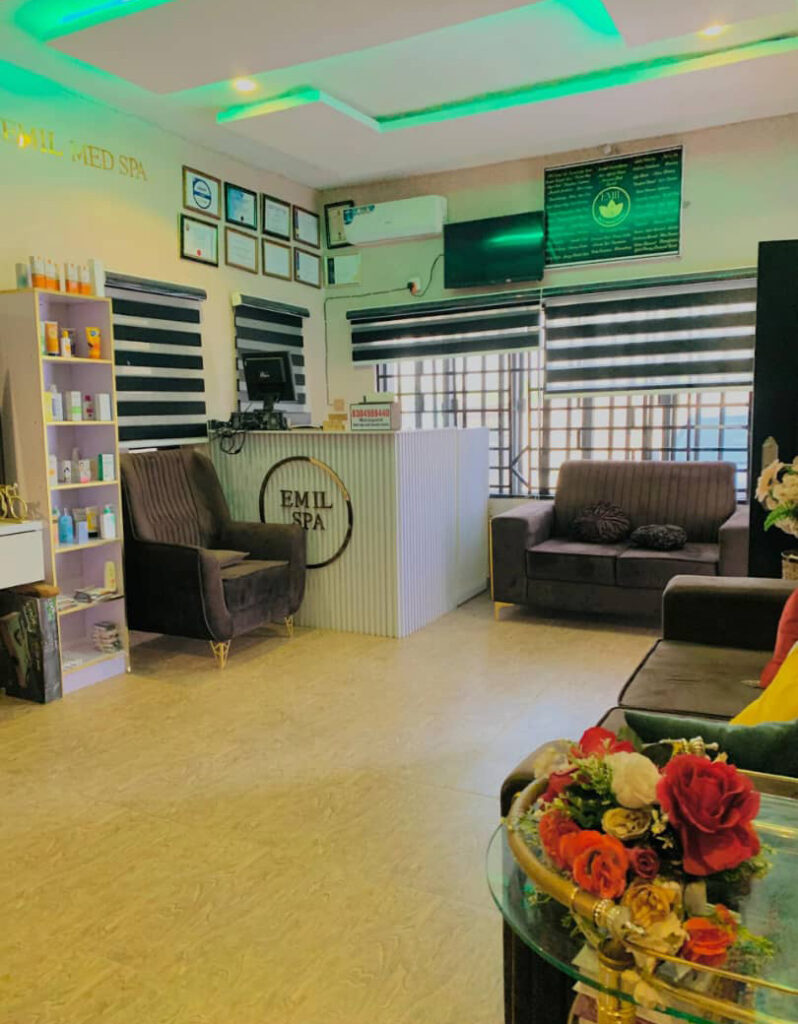
Massage at Emil Spa & Beauty Haven
At Emil Spa & Beauty Haven, massage is part of a broader range of wellness and aesthetic services.
The value of a massage session should not be measured only by whether the body looks different immediately afterwards. Comfort, relaxation, muscle tension, individual goals and the appropriate technique all matter.
Whether someone chooses Swedish massage, deep tissue massage, Thai massage or another approach, the most important question is not simply “What does this massage promise?”
It is:
“What is this particular technique actually designed to do, and is it appropriate for me?”
That is a much healthier way to approach aesthetic and wellness treatments.
Final Thoughts
Massage can influence how the body feels and, in some situations, how the skin and superficial tissues temporarily appear.
It may support relaxation, reduce the sensation of muscle tension and, with specialised techniques, play a role in managing certain forms of swelling.
But massage should not be confused with fat removal, permanent body contouring or a cure-all for skin conditions.
The most responsible approach is to appreciate massage for what it can genuinely offer while understanding its limitations.
Better beauty care is not about making the biggest promise. It is about understanding the body well enough to make the right promise.

When people talk about massage and beauty, the conversation often goes straight to phrases like “detox,” “fat burning,” “body sculpting,” or “getting rid of cellulite.”
But what does massage actually do to the body?
Can it make the skin look smoother? Can it reduce puffiness? Does improved circulation really change the appearance of the skin? And can massage permanently reshape areas of the body?
The science is more interesting than many beauty claims suggest.
Massage can influence tissues, blood flow, muscle tension and, with certain specialised techniques, the movement of fluid. These effects may sometimes produce a temporary improvement in how the skin or body looks.
However, massage is not a magic method for removing fat, permanently shrinking pores, eliminating cellulite or “detoxing” the body.
Understanding where massage can help—and where its limits are—is important for setting realistic expectations.
What Happens to the Body During Massage?
Massage involves mechanical pressure and movement applied to soft tissues.
Depending on the technique, this may include kneading, compression, stretching, gliding strokes, vibration or more focused pressure.
These mechanical effects can influence the tissues being treated and may affect how a person experiences muscle tension, pain and relaxation.
Research on massage has found potential benefits for some pain conditions, although the strength of evidence varies depending on the condition and the type of massage being studied.
But massage is not simply about “moving toxins around.”
The body already has highly developed systems for processing and eliminating metabolic waste, including the liver, kidneys, lungs and gastrointestinal tract.
So when a massage leaves someone feeling lighter or less tense, that does not necessarily mean toxins have been removed.
Does Massage Improve Circulation?
This is one area where the biology makes sense, but it is important not to exaggerate the effect.
Massage applies mechanical pressure to tissues, and massage techniques can influence local blood flow and tissue dynamics.
After a massage, the skin may appear warmer or slightly more flushed. Some people also notice that an area feels more relaxed and comfortable.
However, saying that massage permanently improves circulation throughout the body would be an overstatement.
The cardiovascular system is regulated by much more than massage.
Therefore, temporary local changes in blood flow should not be confused with a long-term treatment for poor circulation or vascular disease.
If someone has persistent swelling, cold extremities, skin colour changes or unexplained circulation problems, those symptoms deserve proper medical assessment rather than simply being treated with massage.
What About Fluid Retention?
This is where the type of massage becomes particularly important.
The body contains several fluid compartments, and excess fluid can accumulate in tissues for many different reasons.
Some specialised techniques, such as manual lymphatic drainage, are specifically designed to use gentle, rhythmic movements intended to support lymphatic fluid movement.
Manual lymphatic drainage has been studied particularly in people with lymphoedema and other forms of swelling. Research has produced mixed findings, with some studies reporting benefits while others find limited additional benefit depending on the condition and treatment programme.
This is very different from saying that every massage “flushes toxins” or removes all forms of water retention.
Not All Swelling Is the Same
Swelling can occur because of many different factors, including:
Therefore, unexplained or persistent swelling should not automatically be assumed to be ordinary “fluid retention.”
Massage may be inappropriate in some situations, particularly when an underlying medical problem has not been identified.
Why Can the Skin Look Better After a Massage?
Some people notice that their skin looks smoother, brighter or more toned immediately after a massage.
There are several possible reasons.
1. Temporary Tissue Changes
Mechanical manipulation can temporarily alter the way fluid is distributed within superficial tissues.
If mild puffiness decreases, the skin may appear smoother.
2. Increased Surface Blood Flow
Temporary changes in local blood flow can give the skin a warmer or more flushed appearance.
3. Moisturising Products
Massage is frequently performed using oils, creams or lotions.
These products can temporarily smooth the skin’s surface and reduce the appearance of dryness.
4. Muscle Relaxation
When underlying muscles relax, the body may look and feel less tense.
This can influence overall appearance even though the structure of the skin itself has not been permanently changed.
The important word here is temporary.
A visible improvement immediately after a treatment does not necessarily mean that the underlying tissue has been permanently remodelled.
Can Massage Reduce Cellulite?
This is one of the most common questions.
The answer is complicated.
Cellulite involves the interaction of subcutaneous fat, connective tissue and the structure of the skin. It is extremely common and can occur even in people who are physically fit.
Because cellulite is structurally complex, simply applying pressure to the skin does not permanently remove it.
Research into massage-based and mechanical approaches has produced mixed results.
A systematic review of cellulite treatments found that evidence across treatment categories varied considerably, with methodological limitations in many studies. A more recent systematic review found promising evidence for some technologies, including shock-wave therapy and radiofrequency, but this does not establish ordinary massage as a definitive cellulite treatment.
Some studies have reported improvements in cellulite appearance with massage-based devices, particularly when massage was combined with other technologies. But this should not be interpreted as proof that conventional massage permanently eliminates cellulite.
Why Might Cellulite Look Better Temporarily?
Massage may temporarily change the appearance of the superficial tissues.
It may also alter fluid distribution and create a smoother-looking surface.
But cellulite involves deeper structural features, including connective-tissue architecture.
That means an immediate visual improvement is not necessarily the same thing as permanent structural correction.
Does Massage Burn Fat?
No—not in the way many advertisements imply.
Massage can make an area feel different and may temporarily alter its appearance, but ordinary massage should not be presented as a substitute for the physiological processes responsible for losing body fat.
Fat loss occurs when the body mobilises and uses stored energy over time.
Massage does not simply “break up fat” and cause the body to eliminate it through the lymphatic system.
This distinction is particularly important when massage is combined with body-contouring services.
A massage may be part of a broader wellness or aesthetic programme, but it should not be marketed as if massage alone can permanently remove significant amounts of body fat.
Can Massage Make You Look Less Puffy?
Sometimes, yes.
If temporary tissue fluid contributes to a feeling or appearance of puffiness, certain massage techniques may produce a short-term change.
This is different from treating the underlying cause of chronic oedema.
For example, specialised lymphatic approaches may form part of management for certain lymphoedema patients, usually alongside other components of care. Guidelines for lymphoedema management commonly include measures such as compression, exercise, skin care and self-management, rather than relying on massage alone.
So the phrase “massage reduces puffiness” can be reasonable in the right context.
The phrase “massage permanently removes water retention” is far too broad.
What About Skin Tone and Glow?
A post-massage “glow” can be real without being a permanent change to the skin.
Several factors may contribute:
But massage does not fundamentally change someone’s natural skin colour.
It also should not be promoted as a treatment for hyperpigmentation, melasma or other pigmentary disorders unless a specific medically appropriate treatment is being used.
Massage and skin treatment are different things.
Massage Can Also Benefit How You Feel
One of the most useful effects of massage may have little to do with appearance.
Massage can be relaxing, and research has investigated its potential effects on pain, stress, anxiety and other aspects of wellbeing.
When muscles feel tense, the body can feel uncomfortable even when there is no serious injury.
Reducing that sense of tension can make a person feel physically lighter and more comfortable.
That experience is meaningful—but it should not be confused with claims that massage has cured an underlying disease.
Why Different Massage Techniques Produce Different Experiences
Not every massage is intended to achieve the same thing.
Swedish Massage
Usually associated with flowing strokes, kneading and rhythmic techniques, Swedish massage is commonly used for relaxation and general wellbeing.
Deep Tissue Massage
Uses more focused pressure and is often selected when the goal is to work on areas of muscular tension.
Deeper pressure does not automatically mean better results. The appropriate pressure depends on the individual and the purpose of the session.
Thai Massage
Traditionally combines assisted movement, stretching and pressure techniques.
Its experience can be quite different from a conventional oil-based massage.
Cupping
Cupping uses suction rather than simply applying manual pressure.
It can leave temporary marks on the skin, and those marks should not automatically be interpreted as evidence that toxins have been removed.
The important lesson is that massage should be matched to the person’s needs rather than assuming that the strongest or most intense treatment is the most effective.
Can Massage Permanently Change the Skin?
Massage can influence the way the skin and superficial tissues look and feel temporarily.
But it does not normally create the kind of permanent structural changes associated with procedures that deliberately remodel collagen, remove tissue or alter deeper anatomical structures.
This distinction matters.
If someone wants to improve:
massage may not be the appropriate standalone treatment.
Depending on the concern, other evidence-based aesthetic or medical approaches may be more suitable.
When Should Swelling Not Be Treated as a Beauty Concern?
This is an especially important point.
Sudden, unexplained or persistent swelling should not simply be labelled “water retention.”
Seek medical evaluation when swelling is:
Massage is a wellness and therapeutic modality in appropriate circumstances, but it should never delay assessment of potentially significant medical symptoms.
What Should You Expect From a Good Massage?
A realistic expectation is much more useful than a dramatic promise.
Depending on the type of massage, you might experience:
What you should not expect from ordinary massage alone is permanent fat loss, permanent cellulite removal, dramatic body reshaping or a magical “detox.”
Good aesthetic and wellness care should be based on what a treatment can realistically accomplish.
Massage at Emil Spa & Beauty Haven
At Emil Spa & Beauty Haven, massage is part of a broader range of wellness and aesthetic services.
The value of a massage session should not be measured only by whether the body looks different immediately afterwards. Comfort, relaxation, muscle tension, individual goals and the appropriate technique all matter.
Whether someone chooses Swedish massage, deep tissue massage, Thai massage or another approach, the most important question is not simply “What does this massage promise?”
It is:
“What is this particular technique actually designed to do, and is it appropriate for me?”
That is a much healthier way to approach aesthetic and wellness treatments.
Final Thoughts
Massage can influence how the body feels and, in some situations, how the skin and superficial tissues temporarily appear.
It may support relaxation, reduce the sensation of muscle tension and, with specialised techniques, play a role in managing certain forms of swelling.
But massage should not be confused with fat removal, permanent body contouring or a cure-all for skin conditions.
The most responsible approach is to appreciate massage for what it can genuinely offer while understanding its limitations.
Better beauty care is not about making the biggest promise. It is about understanding the body well enough to make the right promise.
#EmilSpaAesthetics #EmilSpa #BeautyHaven #MassageTherapy #MassageBenefits #SkinHealth #BodyWellness #Cellulite #LymphaticMassage #DeepTissueMassage #SwedishMassage #ThaiMassage #BodyCare #AestheticWellness #Abuja