Skin tone is often spoken about as though it should be completely uniform from one part of the body to another. In reality, natural variation in skin colour is extremely common.
The face, neck, chest, arms, hands, and other areas can naturally have slightly different tones. Even within the same area, pigmentation can vary because of differences in sun exposure, hormones, inflammation, genetics, and the way melanin is produced.
Understanding these differences is important—particularly when the goal is to treat pigmentation without trying to erase the skin’s natural character.
Why Is Skin Tone Different Across the Body?
Melanin is one of the major factors responsible for the colour of our skin.
The amount and distribution of melanin can vary between individuals and between different areas of the same person’s body.
For example, areas that receive more sunlight may gradually become darker than areas that are usually covered.
Friction, inflammation, hormonal changes, and previous skin conditions can also contribute to differences in pigmentation.
This means that perfectly identical pigmentation across the entire body is not necessarily a realistic or desirable goal.
The Role of Sun Exposure
Ultraviolet (UV) radiation can stimulate melanin production.
This is one reason areas such as the face, neck, forearms, and hands may appear darker than areas that receive less sunlight.
Repeated sun exposure can also contribute to:
Dark spots
Uneven pigmentation
Freckles
Sun-related skin changes
Premature visible ageing
Consistent sun protection is therefore important not only for preventing sun damage but also for maintaining a more even-looking complexion.
Inflammation Can Change Skin Colour
Have you ever noticed a dark mark remaining after a spot or minor skin irritation has healed?
This is an example of how inflammation can affect pigmentation.
When the skin becomes inflamed, it can stimulate increased melanin production. Once the original problem has resolved, the resulting pigmentation may remain for some time.
This is known as post-inflammatory hyperpigmentation (PIH).
It can occur after:
Acne
Insect bites
Cuts or minor injuries
Burns
Certain cosmetic procedures
Irritating skincare products
Inflammatory skin conditions
The pigmentation may gradually fade, although the process can take time.
Hormones Can Also Influence Pigmentation
Hormonal changes can affect melanin production.
One well-known example is melasma, a pigmentation condition that commonly appears as patches of darker skin, particularly on areas such as the face.
Melasma can be influenced by hormonal factors, sunlight, and other triggers.
Because pigmentation conditions can have different causes, identifying the underlying issue is important before selecting a treatment.
Natural Variation vs Pigmentation Problems
Not every difference in skin tone represents a medical or cosmetic problem.
Some variations are simply part of an individual’s natural pigmentation.
The question becomes more important when a change is:
New
Rapidly developing
Clearly different from the surrounding skin
Associated with itching, pain, scaling, or inflammation
Persisting without an obvious explanation
In such situations, professional evaluation can help determine what may be happening.
Why Trying to “Even Out” Everything Can Be Problematic
The desire for completely uniform skin can sometimes lead people to overuse exfoliating products, bleaching agents, or multiple active ingredients.
This can damage the skin barrier and cause irritation.
Ironically, inflammation caused by aggressive skincare can sometimes contribute to more pigmentation, particularly in people who are prone to post-inflammatory hyperpigmentation.
Healthy skin does not necessarily mean perfectly uniform skin.
The goal of professional aesthetic care should be to improve genuine concerns while preserving the health and natural appearance of the skin.
What Can Help Maintain More Even-Looking Skin?
A simple, consistent skincare approach can go a long way.
Important habits include:
Sun Protection
Regular use of broad-spectrum sunscreen can help reduce UV-related pigmentation changes.
Gentle Skincare
Harsh products and excessive exfoliation can irritate the skin and potentially worsen pigmentation.
Treating Inflammation
Managing acne and other inflammatory skin concerns can help reduce the development of new post-inflammatory marks.
Appropriate Professional Treatments
Depending on the cause, treatments such as chemical peels, medical-grade skincare, or other aesthetic procedures may be considered.
The treatment should be selected according to the pigmentation concern rather than simply aiming to make the skin lighter.
Skin Tone and Aesthetic Treatments
Skin tone is an important consideration when planning aesthetic treatments.
Different skin types can respond differently to procedures that cause controlled inflammation or exfoliation.
This is particularly relevant when treating pigmentation-prone skin.
At Emil Spa Aesthetics, understanding the individual’s skin characteristics is therefore an important part of deciding which treatments may be appropriate.
A professional skin analysis can help distinguish between natural variation, temporary pigmentation, and concerns that may benefit from treatment.
When Should You Seek Professional Advice?
Consider having a skin concern assessed if you notice a pigmentation change that is:
New or unexplained
Increasing noticeably
Persistent
Associated with other skin symptoms
Not responding to your usual skincare routine
A professional assessment can help determine whether the concern is primarily cosmetic or whether further evaluation may be appropriate.
Final Thoughts
Natural differences in skin tone are part of how human skin works. The face may not perfectly match the neck, areas exposed to sunlight may differ from covered areas, and pigmentation can change following inflammation or hormonal shifts.
The aim of skincare should not always be to make every part of the skin identical.
Healthy skin is more than uniform colour. It is skin that is cared for appropriately, protected from unnecessary damage, and treated according to its individual needs.
At Emil Spa Aesthetics, understanding those individual differences is an important part of approaching pigmentation and skin tone concerns thoughtfully.
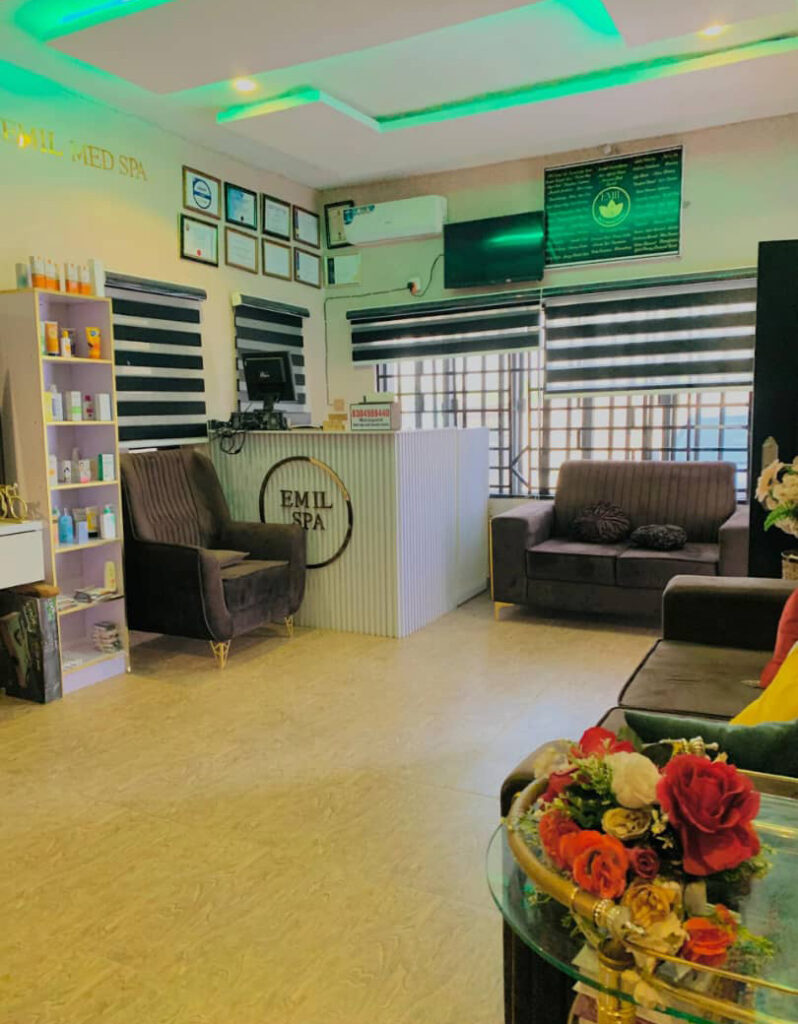

Skin tone is often spoken about as though it should be completely uniform from one part of the body to another. In reality, natural variation in skin colour is extremely common.
The face, neck, chest, arms, hands, and other areas can naturally have slightly different tones. Even within the same area, pigmentation can vary because of differences in sun exposure, hormones, inflammation, genetics, and the way melanin is produced.
Understanding these differences is important—particularly when the goal is to treat pigmentation without trying to erase the skin’s natural character.
Why Is Skin Tone Different Across the Body?
Melanin is one of the major factors responsible for the colour of our skin.
The amount and distribution of melanin can vary between individuals and between different areas of the same person’s body.
For example, areas that receive more sunlight may gradually become darker than areas that are usually covered.
Friction, inflammation, hormonal changes, and previous skin conditions can also contribute to differences in pigmentation.
This means that perfectly identical pigmentation across the entire body is not necessarily a realistic or desirable goal.
The Role of Sun Exposure
Ultraviolet (UV) radiation can stimulate melanin production.
This is one reason areas such as the face, neck, forearms, and hands may appear darker than areas that receive less sunlight.
Repeated sun exposure can also contribute to:
Consistent sun protection is therefore important not only for preventing sun damage but also for maintaining a more even-looking complexion.
Inflammation Can Change Skin Colour
Have you ever noticed a dark mark remaining after a spot or minor skin irritation has healed?
This is an example of how inflammation can affect pigmentation.
When the skin becomes inflamed, it can stimulate increased melanin production. Once the original problem has resolved, the resulting pigmentation may remain for some time.
This is known as post-inflammatory hyperpigmentation (PIH).
It can occur after:
The pigmentation may gradually fade, although the process can take time.
Hormones Can Also Influence Pigmentation
Hormonal changes can affect melanin production.
One well-known example is melasma, a pigmentation condition that commonly appears as patches of darker skin, particularly on areas such as the face.
Melasma can be influenced by hormonal factors, sunlight, and other triggers.
Because pigmentation conditions can have different causes, identifying the underlying issue is important before selecting a treatment.
Natural Variation vs Pigmentation Problems
Not every difference in skin tone represents a medical or cosmetic problem.
Some variations are simply part of an individual’s natural pigmentation.
The question becomes more important when a change is:
In such situations, professional evaluation can help determine what may be happening.
Why Trying to “Even Out” Everything Can Be Problematic
The desire for completely uniform skin can sometimes lead people to overuse exfoliating products, bleaching agents, or multiple active ingredients.
This can damage the skin barrier and cause irritation.
Ironically, inflammation caused by aggressive skincare can sometimes contribute to more pigmentation, particularly in people who are prone to post-inflammatory hyperpigmentation.
Healthy skin does not necessarily mean perfectly uniform skin.
The goal of professional aesthetic care should be to improve genuine concerns while preserving the health and natural appearance of the skin.
What Can Help Maintain More Even-Looking Skin?
A simple, consistent skincare approach can go a long way.
Important habits include:
Sun Protection
Regular use of broad-spectrum sunscreen can help reduce UV-related pigmentation changes.
Gentle Skincare
Harsh products and excessive exfoliation can irritate the skin and potentially worsen pigmentation.
Treating Inflammation
Managing acne and other inflammatory skin concerns can help reduce the development of new post-inflammatory marks.
Appropriate Professional Treatments
Depending on the cause, treatments such as chemical peels, medical-grade skincare, or other aesthetic procedures may be considered.
The treatment should be selected according to the pigmentation concern rather than simply aiming to make the skin lighter.
Skin Tone and Aesthetic Treatments
Skin tone is an important consideration when planning aesthetic treatments.
Different skin types can respond differently to procedures that cause controlled inflammation or exfoliation.
This is particularly relevant when treating pigmentation-prone skin.
At Emil Spa Aesthetics, understanding the individual’s skin characteristics is therefore an important part of deciding which treatments may be appropriate.
A professional skin analysis can help distinguish between natural variation, temporary pigmentation, and concerns that may benefit from treatment.
When Should You Seek Professional Advice?
Consider having a skin concern assessed if you notice a pigmentation change that is:
A professional assessment can help determine whether the concern is primarily cosmetic or whether further evaluation may be appropriate.
Final Thoughts
Natural differences in skin tone are part of how human skin works. The face may not perfectly match the neck, areas exposed to sunlight may differ from covered areas, and pigmentation can change following inflammation or hormonal shifts.
The aim of skincare should not always be to make every part of the skin identical.
Healthy skin is more than uniform colour. It is skin that is cared for appropriately, protected from unnecessary damage, and treated according to its individual needs.
At Emil Spa Aesthetics, understanding those individual differences is an important part of approaching pigmentation and skin tone concerns thoughtfully.
#EmilSpaAesthetics #EmilSpa #BeautyHaven #SkinTone #SkinPigmentation #HealthySkin #Hyperpigmentation #SkinHealth #SkinAnalysis #AbujaBeauty