Modern aesthetic medicine has evolved far beyond creams and serums. While high-quality skincare products remain an important part of maintaining healthy skin, some concerns—such as volume loss, deep wrinkles, acne scars, skin laxity, and uneven texture—require treatments that work beneath the skin’s surface.
This is where techniques involving skin invasion and skin infiltration come into play. Although these terms may sound intimidating, they simply describe procedures that deliver treatments into specific layers of the skin to stimulate natural healing, improve skin quality, or enhance facial and body contours.
Understanding how these treatments work can help you make informed decisions about your aesthetic journey.
Understanding the Structure of the Skin
To understand modern aesthetic treatments, it helps to know a little about the skin itself.
The skin has three primary layers:
The Epidermis
This is the outermost layer of the skin. It acts as a protective barrier against environmental pollutants, bacteria, and moisture loss.
Many topical skincare products work mainly within this layer.
The Dermis
Beneath the epidermis lies the dermis, which contains:
Collagen fibres
Elastin fibres
Blood vessels
Nerve endings
Hair follicles
Sebaceous glands
The dermis provides the skin with strength, elasticity, and firmness. Many aesthetic treatments are designed to target this layer because it is where collagen production occurs.
The Subcutaneous Layer
This deeper layer contains fat, connective tissue, and larger blood vessels.
Certain body contouring and volume-restoration treatments interact with this layer to improve facial or body contours.
What Is Skin Invasion?
Skin invasion refers to procedures that intentionally create controlled micro-openings or access points in the skin.
These treatments are carefully performed under sterile conditions by trained professionals to stimulate the body’s natural healing response.
Examples include:
Microneedling
Fractional laser treatments
Certain radiofrequency microneedling procedures
The goal is not to damage the skin but to encourage repair, collagen production, and skin renewal.
What Is Skin Infiltration?
Skin infiltration involves placing carefully selected substances into specific layers of the skin using specialized techniques.
Depending on the treatment goals, these substances may include:
Hyaluronic acid skin boosters
Biostimulators
Certain prescription medications
Local anaesthetics used during procedures
Other professionally approved injectable treatments
The exact depth and technique depend on the procedure and the individual’s skin concerns.
How Do These Treatments Improve the Skin?
Many modern aesthetic procedures work by activating the body’s natural repair processes.
Stimulating Collagen Production
As we age, collagen production naturally declines.
Procedures such as microneedling and biostimulator treatments encourage the skin to produce new collagen, helping improve firmness and texture over time.
Improving Skin Hydration
Skin boosters containing hyaluronic acid can help improve hydration and overall skin quality by supporting the skin’s ability to retain moisture.
Softening Fine Lines
Certain injectable treatments may help reduce the appearance of fine lines and wrinkles by restoring hydration or supporting collagen production.
Improving Acne Scars
Controlled skin stimulation encourages tissue remodeling, which may gradually improve the appearance of certain acne scars.
Enhancing Facial Contours
Some injectable treatments are designed to restore lost facial volume or improve facial balance without surgery.
Are These Treatments Safe?
When performed by qualified healthcare professionals using approved products and sterile techniques, many minimally invasive aesthetic procedures have established safety profiles.
However, no cosmetic procedure is completely risk-free.
Possible risks may include:
Temporary redness
Swelling
Bruising
Mild discomfort
Infection if proper protocols are not followed
Rare allergic reactions
Choosing an experienced and properly trained practitioner significantly reduces these risks.
Why Professional Assessment Matters
Not every treatment is suitable for every person.
Before recommending any invasive or injectable procedure, a qualified practitioner should perform a comprehensive consultation to evaluate:
Skin type
Medical history
Existing skin conditions
Treatment goals
Lifestyle factors
Expected outcomes
This assessment helps ensure that the selected treatment is both safe and appropriate.
What Happens After Treatment?
Recovery depends on the type of procedure performed.
Some treatments involve little to no downtime, while others may require a few days for the skin to recover.
Following aftercare instructions is essential for achieving the best possible results.
Typical recommendations may include:
Avoiding excessive sun exposure
Wearing sunscreen daily
Keeping the treated area clean
Avoiding strenuous exercise immediately after certain procedures
Using only recommended skincare products during healing
Choosing the Right Aesthetic Provider
The success of any aesthetic treatment depends not only on the procedure itself but also on the skill and experience of the practitioner.
When choosing an aesthetic clinic, consider:
Professional qualifications
Experience with the procedure
Use of approved products
Proper hygiene standards
Thorough consultations
Honest discussions about expected results
Avoid clinics that promise unrealistic outcomes or recommend treatments without first assessing your skin.
Final Thoughts
Modern aesthetic treatments offer exciting opportunities to improve skin quality, restore youthful appearance, and address specific cosmetic concerns without major surgery. By understanding how skin invasion and infiltration techniques work, you can approach these procedures with greater confidence and realistic expectations.
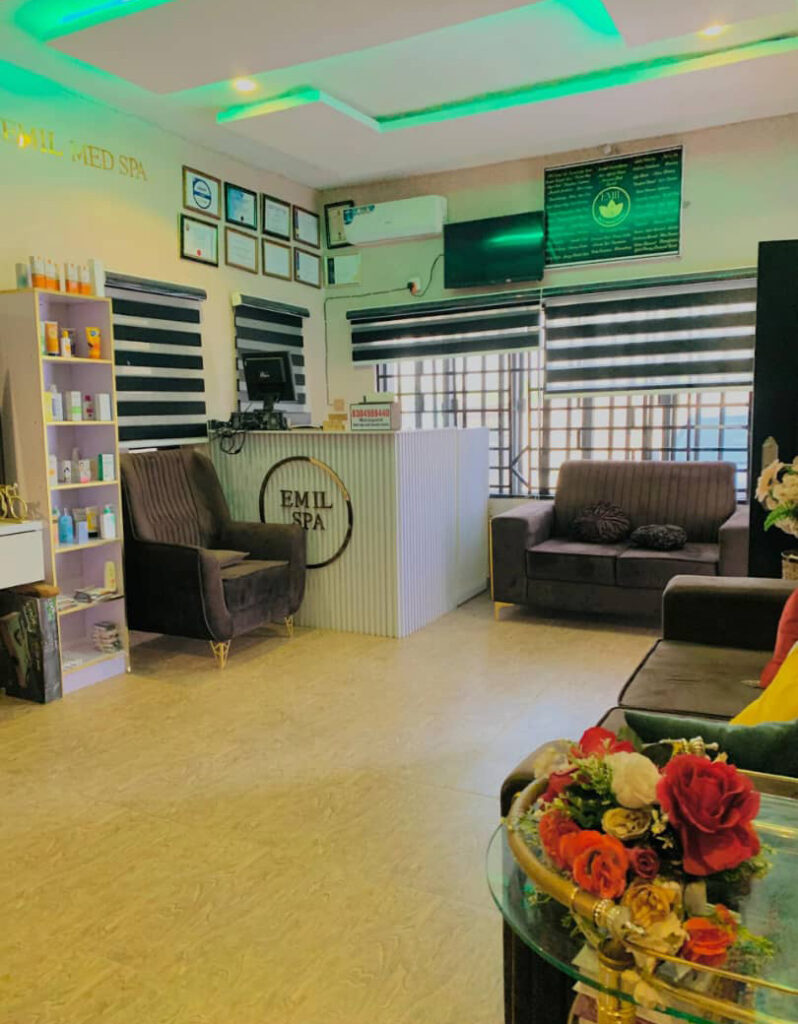
At Emil Spa Aesthetics, every treatment begins with a professional consultation and personalized skin assessment. Our goal is to recommend evidence-based treatments that are appropriate for your individual needs, helping you achieve healthy, natural-looking results while prioritizing your safety and long-term skin health.

Modern aesthetic medicine has evolved far beyond creams and serums. While high-quality skincare products remain an important part of maintaining healthy skin, some concerns—such as volume loss, deep wrinkles, acne scars, skin laxity, and uneven texture—require treatments that work beneath the skin’s surface.
This is where techniques involving skin invasion and skin infiltration come into play. Although these terms may sound intimidating, they simply describe procedures that deliver treatments into specific layers of the skin to stimulate natural healing, improve skin quality, or enhance facial and body contours.
Understanding how these treatments work can help you make informed decisions about your aesthetic journey.
Understanding the Structure of the Skin
To understand modern aesthetic treatments, it helps to know a little about the skin itself.
The skin has three primary layers:
The Epidermis
This is the outermost layer of the skin. It acts as a protective barrier against environmental pollutants, bacteria, and moisture loss.
Many topical skincare products work mainly within this layer.
The Dermis
Beneath the epidermis lies the dermis, which contains:
The dermis provides the skin with strength, elasticity, and firmness. Many aesthetic treatments are designed to target this layer because it is where collagen production occurs.
The Subcutaneous Layer
This deeper layer contains fat, connective tissue, and larger blood vessels.
Certain body contouring and volume-restoration treatments interact with this layer to improve facial or body contours.
What Is Skin Invasion?
Skin invasion refers to procedures that intentionally create controlled micro-openings or access points in the skin.
These treatments are carefully performed under sterile conditions by trained professionals to stimulate the body’s natural healing response.
Examples include:
The goal is not to damage the skin but to encourage repair, collagen production, and skin renewal.
What Is Skin Infiltration?
Skin infiltration involves placing carefully selected substances into specific layers of the skin using specialized techniques.
Depending on the treatment goals, these substances may include:
The exact depth and technique depend on the procedure and the individual’s skin concerns.
How Do These Treatments Improve the Skin?
Many modern aesthetic procedures work by activating the body’s natural repair processes.
Stimulating Collagen Production
As we age, collagen production naturally declines.
Procedures such as microneedling and biostimulator treatments encourage the skin to produce new collagen, helping improve firmness and texture over time.
Improving Skin Hydration
Skin boosters containing hyaluronic acid can help improve hydration and overall skin quality by supporting the skin’s ability to retain moisture.
Softening Fine Lines
Certain injectable treatments may help reduce the appearance of fine lines and wrinkles by restoring hydration or supporting collagen production.
Improving Acne Scars
Controlled skin stimulation encourages tissue remodeling, which may gradually improve the appearance of certain acne scars.
Enhancing Facial Contours
Some injectable treatments are designed to restore lost facial volume or improve facial balance without surgery.
Are These Treatments Safe?
When performed by qualified healthcare professionals using approved products and sterile techniques, many minimally invasive aesthetic procedures have established safety profiles.
However, no cosmetic procedure is completely risk-free.
Possible risks may include:
Choosing an experienced and properly trained practitioner significantly reduces these risks.
Why Professional Assessment Matters
Not every treatment is suitable for every person.
Before recommending any invasive or injectable procedure, a qualified practitioner should perform a comprehensive consultation to evaluate:
This assessment helps ensure that the selected treatment is both safe and appropriate.
What Happens After Treatment?
Recovery depends on the type of procedure performed.
Some treatments involve little to no downtime, while others may require a few days for the skin to recover.
Following aftercare instructions is essential for achieving the best possible results.
Typical recommendations may include:
Choosing the Right Aesthetic Provider
The success of any aesthetic treatment depends not only on the procedure itself but also on the skill and experience of the practitioner.
When choosing an aesthetic clinic, consider:
Avoid clinics that promise unrealistic outcomes or recommend treatments without first assessing your skin.
Final Thoughts
Modern aesthetic treatments offer exciting opportunities to improve skin quality, restore youthful appearance, and address specific cosmetic concerns without major surgery. By understanding how skin invasion and infiltration techniques work, you can approach these procedures with greater confidence and realistic expectations.
At Emil Spa Aesthetics, every treatment begins with a professional consultation and personalized skin assessment. Our goal is to recommend evidence-based treatments that are appropriate for your individual needs, helping you achieve healthy, natural-looking results while prioritizing your safety and long-term skin health.