Every day, millions of people apply skincare products, cosmetics, and beauty treatments with the goal of improving their appearance and maintaining healthy skin. While many products on the market are safe when used correctly, others may contain harmful ingredients or be manufactured without proper quality controls.
Understanding cosmetic safety is essential—not to create fear, but to help consumers make informed decisions. Knowing what to look for and purchasing products from reputable sources can significantly reduce the risk of skin irritation, allergic reactions, and long-term damage.
What Does “Toxicity in Cosmetics” Mean?
Cosmetic toxicity refers to the harmful effects that certain ingredients or contaminated products may have on the skin or the body when used improperly, excessively, or without appropriate regulation.
Not every cosmetic product is toxic. In fact, many skincare products undergo extensive testing before reaching consumers. Problems are more likely to arise when products contain unsafe levels of certain substances, are counterfeit, or are used incorrectly.
How Can Cosmetics Become Harmful?
Several factors can increase the risk associated with cosmetic products.
Counterfeit Products
Counterfeit cosmetics often imitate well-known brands but may be produced without quality control. These products may contain harmful contaminants or incorrect ingredient concentrations.
Unregulated Manufacturing
Products manufactured without proper regulatory oversight may not meet safety standards for ingredient quality, hygiene, or stability.
Improper Storage
Heat, humidity, and expired products can alter the effectiveness and safety of some cosmetics, increasing the likelihood of skin irritation or contamination.
Misuse of Active Ingredients
Even well-formulated products can cause problems if they are used more frequently than recommended or combined with incompatible ingredients.
Ingredients That Require Careful Use
Some cosmetic ingredients are safe when used appropriately but may pose risks if misused or obtained from unreliable sources.
Examples include:
High-strength exfoliating acids
Topical corticosteroids intended for medical use
Hydroquinone products used without professional guidance
Certain skin-lightening products that do not meet regulatory standards
Consumers should always follow product instructions and seek professional advice before using strong active ingredients.
Common Signs of Cosmetic-Related Skin Reactions
If a cosmetic product does not agree with your skin, you may notice symptoms such as:
Redness
Itching
Burning sensations
Excessive dryness
Swelling
Persistent irritation
New breakouts
Changes in skin pigmentation
If symptoms are severe or continue after stopping the product, consult a qualified healthcare professional.
How to Choose Safer Cosmetic Products
Making informed choices can help reduce the risk of adverse reactions.
Buy From Reputable Retailers
Purchase products from trusted pharmacies, authorized distributors, licensed aesthetic clinics, or established retailers.
Avoid products with unclear origins or suspiciously low prices.
Read Ingredient Lists
Become familiar with the active ingredients in your skincare products and understand their intended purpose.
Knowing what you are applying to your skin helps you build a routine that is both safe and effective.
Check Expiry Dates
Expired cosmetics may become less effective and, in some cases, may increase the risk of irritation or contamination.
Always discard products that have expired or show signs of spoilage.
Perform a Patch Test
Before using a new skincare product on your entire face or body, apply a small amount to a discreet area of skin and monitor for any reaction.
Patch testing may help identify sensitivity before widespread use.
The Importance of Professional Guidance
With thousands of skincare products available, choosing the right routine can be overwhelming.
A professional skin assessment helps identify:
Your skin type
Existing skin conditions
Suitable active ingredients
Products to avoid
Treatments tailored to your individual goals
Professional guidance reduces guesswork and helps prevent unnecessary skin damage.
Healthy Skin Starts With Safe Choices
Beautiful skin is not achieved by using the strongest products available. It is achieved through consistency, evidence-based skincare, and products that are appropriate for your skin.
A simple routine using quality products often delivers better long-term results than frequently changing products or following unverified trends.
Final Thoughts
Cosmetics play an important role in skincare and personal confidence, but safety should always come first. By purchasing products from reputable sources, understanding ingredient labels, following usage instructions, and seeking professional advice when needed, you can greatly reduce the risk of unwanted skin reactions.
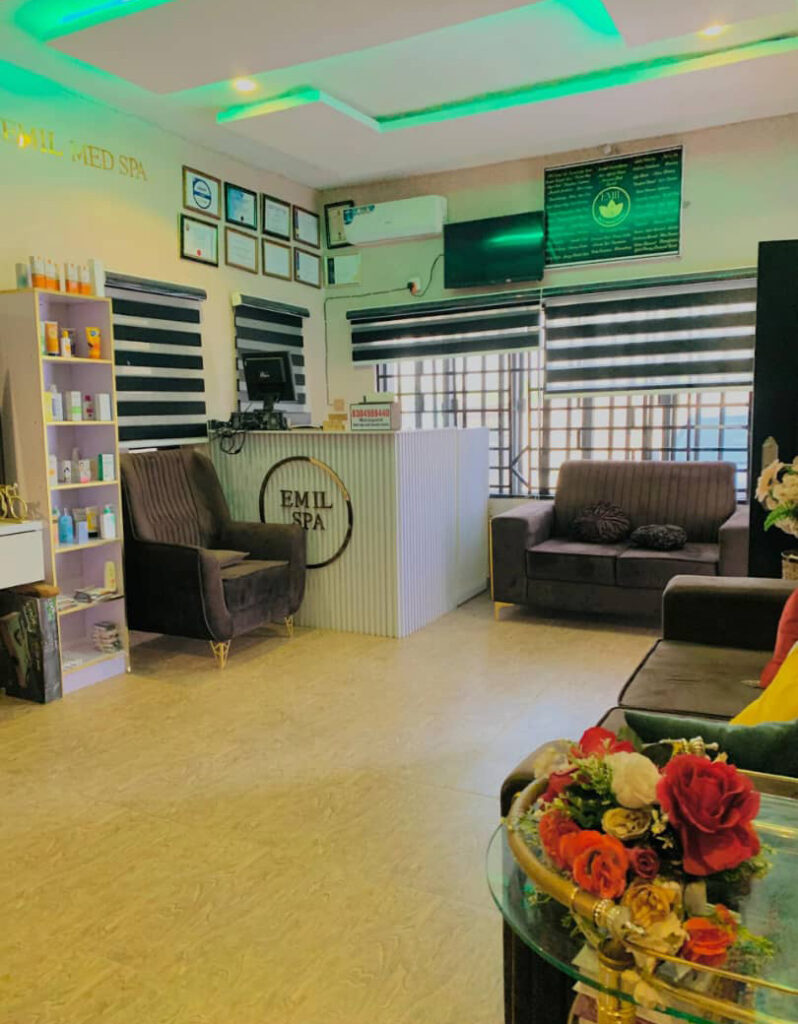
At Emil Spa Aesthetics, we believe that informed skincare decisions lead to healthier, more radiant skin. Through professional skin analysis, personalized skincare recommendations, and evidence-based aesthetic treatments, we help our clients choose products and treatments that support both beauty and long-term skin health.

Every day, millions of people apply skincare products, cosmetics, and beauty treatments with the goal of improving their appearance and maintaining healthy skin. While many products on the market are safe when used correctly, others may contain harmful ingredients or be manufactured without proper quality controls.
Understanding cosmetic safety is essential—not to create fear, but to help consumers make informed decisions. Knowing what to look for and purchasing products from reputable sources can significantly reduce the risk of skin irritation, allergic reactions, and long-term damage.
What Does “Toxicity in Cosmetics” Mean?
Cosmetic toxicity refers to the harmful effects that certain ingredients or contaminated products may have on the skin or the body when used improperly, excessively, or without appropriate regulation.
Not every cosmetic product is toxic. In fact, many skincare products undergo extensive testing before reaching consumers. Problems are more likely to arise when products contain unsafe levels of certain substances, are counterfeit, or are used incorrectly.
How Can Cosmetics Become Harmful?
Several factors can increase the risk associated with cosmetic products.
Counterfeit Products
Counterfeit cosmetics often imitate well-known brands but may be produced without quality control. These products may contain harmful contaminants or incorrect ingredient concentrations.
Unregulated Manufacturing
Products manufactured without proper regulatory oversight may not meet safety standards for ingredient quality, hygiene, or stability.
Improper Storage
Heat, humidity, and expired products can alter the effectiveness and safety of some cosmetics, increasing the likelihood of skin irritation or contamination.
Misuse of Active Ingredients
Even well-formulated products can cause problems if they are used more frequently than recommended or combined with incompatible ingredients.
Ingredients That Require Careful Use
Some cosmetic ingredients are safe when used appropriately but may pose risks if misused or obtained from unreliable sources.
Examples include:
Consumers should always follow product instructions and seek professional advice before using strong active ingredients.
Common Signs of Cosmetic-Related Skin Reactions
If a cosmetic product does not agree with your skin, you may notice symptoms such as:
If symptoms are severe or continue after stopping the product, consult a qualified healthcare professional.
How to Choose Safer Cosmetic Products
Making informed choices can help reduce the risk of adverse reactions.
Buy From Reputable Retailers
Purchase products from trusted pharmacies, authorized distributors, licensed aesthetic clinics, or established retailers.
Avoid products with unclear origins or suspiciously low prices.
Read Ingredient Lists
Become familiar with the active ingredients in your skincare products and understand their intended purpose.
Knowing what you are applying to your skin helps you build a routine that is both safe and effective.
Check Expiry Dates
Expired cosmetics may become less effective and, in some cases, may increase the risk of irritation or contamination.
Always discard products that have expired or show signs of spoilage.
Perform a Patch Test
Before using a new skincare product on your entire face or body, apply a small amount to a discreet area of skin and monitor for any reaction.
Patch testing may help identify sensitivity before widespread use.
The Importance of Professional Guidance
With thousands of skincare products available, choosing the right routine can be overwhelming.
A professional skin assessment helps identify:
Professional guidance reduces guesswork and helps prevent unnecessary skin damage.
Healthy Skin Starts With Safe Choices
Beautiful skin is not achieved by using the strongest products available. It is achieved through consistency, evidence-based skincare, and products that are appropriate for your skin.
A simple routine using quality products often delivers better long-term results than frequently changing products or following unverified trends.
Final Thoughts
Cosmetics play an important role in skincare and personal confidence, but safety should always come first. By purchasing products from reputable sources, understanding ingredient labels, following usage instructions, and seeking professional advice when needed, you can greatly reduce the risk of unwanted skin reactions.
At Emil Spa Aesthetics, we believe that informed skincare decisions lead to healthier, more radiant skin. Through professional skin analysis, personalized skincare recommendations, and evidence-based aesthetic treatments, we help our clients choose products and treatments that support both beauty and long-term skin health.