The desire for brighter, more even-toned skin has contributed to the growing popularity of skin-lightening products and treatments worldwide. While some people seek treatment for hyperpigmentation, melasma, or dark spots, others may use skin-bleaching products to significantly alter their natural skin tone.
Unfortunately, the use of unregulated or unsupervised skin-bleaching products can carry serious risks. Without proper guidance, individuals may unknowingly expose their skin and overall health to harmful ingredients and long-term complications.
Understanding these risks is essential for making informed decisions about skin care and achieving healthy, beautiful skin safely.
What Is Skin Bleaching?
Skin bleaching, also called skin lightening or skin whitening, refers to the use of products or treatments intended to reduce the amount of melanin in the skin.
Some individuals pursue skin-lightening treatments to address concerns such as:
Hyperpigmentation
Dark spots
Melasma
Post-inflammatory pigmentation
Uneven skin tone
However, some products are used excessively or inappropriately to dramatically lighten the skin, often without professional supervision.
Why Do People Use Skin-Bleaching Products?
People may seek skin-lightening products for various reasons, including:
Cosmetic preferences
Treatment of pigmentation disorders
Desire for a more even complexion
Social or cultural influences
Misinformation about skincare and beauty standards
Regardless of the reason, it is important to understand that not all skin-lightening products are safe.
The Dangers of Unsupervised Skin Bleaching
1. Skin Irritation and Inflammation
Many unregulated products contain ingredients that can irritate the skin.
This may result in:
Redness
Burning
Itching
Dryness
Peeling
Repeated irritation can weaken the skin and increase sensitivity.
2. Damage to the Skin Barrier
The skin barrier plays a vital role in protecting the body and maintaining hydration.
Certain harsh bleaching products can disrupt this protective barrier, leading to:
Increased sensitivity
Dehydration
Persistent irritation
Difficulty tolerating skincare products
A damaged skin barrier may also make the skin more vulnerable to environmental stressors.
3. Uneven Skin Tone and Rebound Pigmentation
Ironically, improper use of skin-lightening products can sometimes worsen pigmentation concerns.
Some individuals may experience:
Patchy lightening
Uneven complexion
Darker areas after discontinuing products
Persistent pigmentation issues
This is sometimes referred to as rebound pigmentation.
4. Increased Sensitivity to Sun Exposure
Certain ingredients can make the skin more sensitive to ultraviolet (UV) radiation.
This can increase the risk of:
Sunburn
Skin damage
Premature aging
Worsening pigmentation
Daily sun protection becomes even more important when using any form of skin-lightening treatment.
5. Skin Thinning
Long-term use of inappropriate products may contribute to thinning of the skin.
Thinner skin may become:
More fragile
Easily irritated
More prone to injury
Slower to heal
6. Increased Risk of Infection
A compromised skin barrier may leave the skin more susceptible to:
Bacterial infections
Fungal infections
Delayed healing
Persistent inflammation
Healthy skin relies on an intact barrier for protection.
Why Professional Supervision Matters
Every individual’s skin is unique.
Pigmentation concerns can have different causes, and what works for one person may not be suitable for another.
Professional supervision helps ensure:
Proper diagnosis of skin concerns
Safe treatment selection
Monitoring for side effects
Personalized skincare recommendations
Protection of long-term skin health
Rather than relying on unverified products or social media trends, seeking professional guidance can significantly reduce the risk of complications.
Safe Alternatives to Unsupervised Skin Bleaching
Individuals concerned about pigmentation or uneven skin tone should consider safer, evidence-based approaches, such as:
Professional skin assessments
Personalized skincare plans
Medical-grade treatments
Sun protection strategies
Proper management of underlying skin conditions
The goal should always be healthy, radiant skin rather than damaging the skin in pursuit of unrealistic expectations.
Building a Healthy Relationship With Your Skin
Healthy skin is not defined by a particular shade or complexion.
The focus of modern aesthetic medicine is increasingly shifting toward:
Skin health
Even skin tone
Skin confidence
Protection and prevention
Long-term skin wellness
Caring for your skin safely and responsibly is one of the best investments you can make in your overall well-being.
Final Thoughts
Unsupervised skin bleaching can lead to serious complications, including irritation, barrier damage, uneven pigmentation, increased sun sensitivity, and long-term skin concerns.
Before beginning any skin-lightening treatment, it is important to seek professional advice and choose approaches that prioritize the health and integrity of your skin.
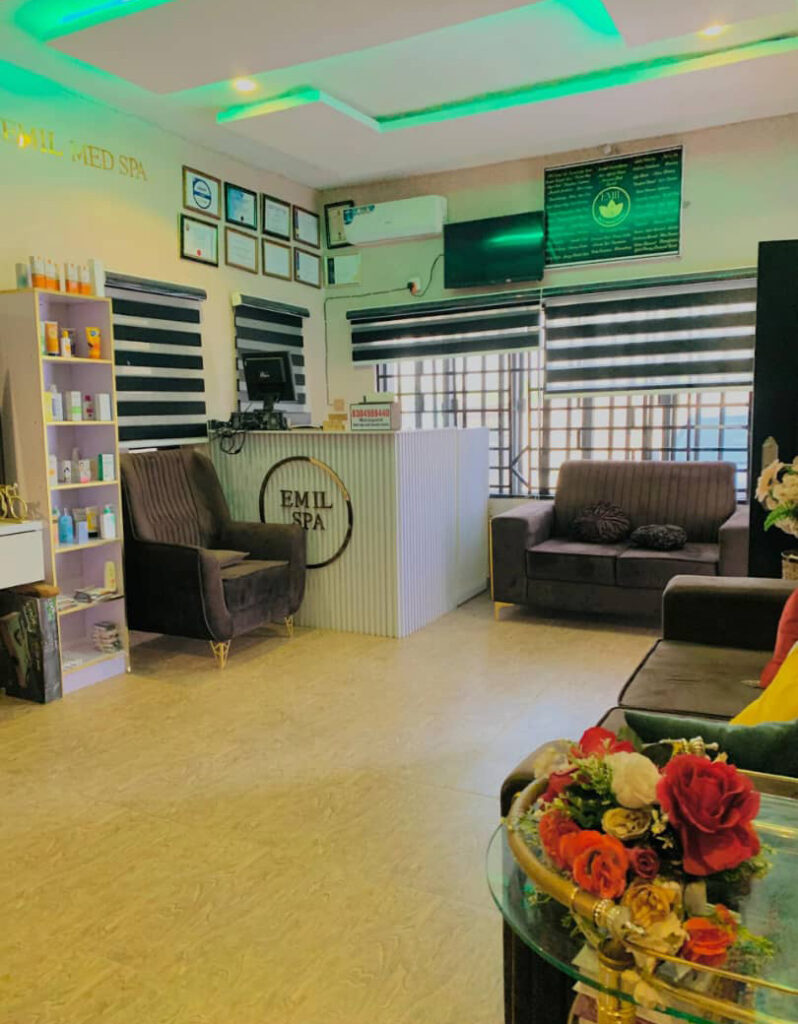
At Emil Spa Aesthetics, we believe that beautiful skin starts with healthy skin. Through professional skin analysis and personalized treatment recommendations, we help individuals address pigmentation concerns safely while supporting long-term skin health and confidence.

The desire for brighter, more even-toned skin has contributed to the growing popularity of skin-lightening products and treatments worldwide. While some people seek treatment for hyperpigmentation, melasma, or dark spots, others may use skin-bleaching products to significantly alter their natural skin tone.
Unfortunately, the use of unregulated or unsupervised skin-bleaching products can carry serious risks. Without proper guidance, individuals may unknowingly expose their skin and overall health to harmful ingredients and long-term complications.
Understanding these risks is essential for making informed decisions about skin care and achieving healthy, beautiful skin safely.
What Is Skin Bleaching?
Skin bleaching, also called skin lightening or skin whitening, refers to the use of products or treatments intended to reduce the amount of melanin in the skin.
Some individuals pursue skin-lightening treatments to address concerns such as:
However, some products are used excessively or inappropriately to dramatically lighten the skin, often without professional supervision.
Why Do People Use Skin-Bleaching Products?
People may seek skin-lightening products for various reasons, including:
Regardless of the reason, it is important to understand that not all skin-lightening products are safe.
The Dangers of Unsupervised Skin Bleaching
1. Skin Irritation and Inflammation
Many unregulated products contain ingredients that can irritate the skin.
This may result in:
Repeated irritation can weaken the skin and increase sensitivity.
2. Damage to the Skin Barrier
The skin barrier plays a vital role in protecting the body and maintaining hydration.
Certain harsh bleaching products can disrupt this protective barrier, leading to:
A damaged skin barrier may also make the skin more vulnerable to environmental stressors.
3. Uneven Skin Tone and Rebound Pigmentation
Ironically, improper use of skin-lightening products can sometimes worsen pigmentation concerns.
Some individuals may experience:
This is sometimes referred to as rebound pigmentation.
4. Increased Sensitivity to Sun Exposure
Certain ingredients can make the skin more sensitive to ultraviolet (UV) radiation.
This can increase the risk of:
Daily sun protection becomes even more important when using any form of skin-lightening treatment.
5. Skin Thinning
Long-term use of inappropriate products may contribute to thinning of the skin.
Thinner skin may become:
6. Increased Risk of Infection
A compromised skin barrier may leave the skin more susceptible to:
Healthy skin relies on an intact barrier for protection.
Why Professional Supervision Matters
Every individual’s skin is unique.
Pigmentation concerns can have different causes, and what works for one person may not be suitable for another.
Professional supervision helps ensure:
Rather than relying on unverified products or social media trends, seeking professional guidance can significantly reduce the risk of complications.
Safe Alternatives to Unsupervised Skin Bleaching
Individuals concerned about pigmentation or uneven skin tone should consider safer, evidence-based approaches, such as:
The goal should always be healthy, radiant skin rather than damaging the skin in pursuit of unrealistic expectations.
Building a Healthy Relationship With Your Skin
Healthy skin is not defined by a particular shade or complexion.
The focus of modern aesthetic medicine is increasingly shifting toward:
Caring for your skin safely and responsibly is one of the best investments you can make in your overall well-being.
Final Thoughts
Unsupervised skin bleaching can lead to serious complications, including irritation, barrier damage, uneven pigmentation, increased sun sensitivity, and long-term skin concerns.
Before beginning any skin-lightening treatment, it is important to seek professional advice and choose approaches that prioritize the health and integrity of your skin.
At Emil Spa Aesthetics, we believe that beautiful skin starts with healthy skin. Through professional skin analysis and personalized treatment recommendations, we help individuals address pigmentation concerns safely while supporting long-term skin health and confidence.