Skin boosters have become one of the most sought-after treatments in aesthetic medicine, helping to improve hydration, skin texture, and overall skin quality. In recent years, another regenerative treatment—PDRN—has gained significant attention for its ability to support skin repair and rejuvenation.
Because both treatments are associated with healthier, more radiant skin, many people wonder whether they are the same thing or which option is better for their concerns. While PDRN and traditional skin boosters share some similarities, they work in different ways and are often used for different goals.
Understanding these differences can help you make informed decisions about your skincare and aesthetic treatment options.
What Are Traditional Skin Boosters?
Traditional skin boosters are injectable treatments designed primarily to improve skin hydration and enhance overall skin quality.
Most skin boosters contain ingredients such as hyaluronic acid, which naturally attracts and retains water within the skin.
The primary goals of traditional skin boosters include:
Improving hydration
Enhancing skin texture
Increasing skin radiance
Improving skin smoothness
Supporting overall skin quality
They are often recommended for individuals with dehydrated, dull, or tired-looking skin.
What Is PDRN?
PDRN, or Polydeoxyribonucleotide, is a regenerative compound used in aesthetic medicine to support tissue repair and skin renewal.
Unlike traditional skin boosters that focus largely on hydration, PDRN works by supporting the skin’s natural regenerative processes.
PDRN is commonly used to promote:
Skin repair
Cellular renewal
Improved skin quality
Healthier skin function
Overall skin rejuvenation
The Main Difference: Hydration vs Regeneration
The biggest distinction between these treatments lies in their primary purpose.
Traditional Skin Boosters
Their main objective is to improve skin hydration and enhance the appearance of the skin through increased moisture retention.
PDRN
PDRN focuses on supporting tissue repair and regeneration by encouraging healthier cellular activity.
In simple terms:
Skin boosters primarily hydrate.
PDRN primarily regenerates.
How They Improve Skin Quality
Both treatments can improve skin quality, but they often achieve these results through different mechanisms.
Benefits of Traditional Skin Boosters
Better hydration
Improved skin glow
Smoother texture
Fresher appearance
Increased skin suppleness
Potential Benefits of PDRN
Support for skin repair
Improved skin resilience
Enhanced skin quality
Healthier-looking skin
Support for long-term rejuvenation
Which Treatment Is Better for Aging Skin?
The answer depends on your individual skin concerns and treatment goals.
You May Consider Traditional Skin Boosters If You:
Have dehydrated skin
Want improved skin radiance
Desire a refreshed appearance
Are looking for enhanced skin hydration
You May Consider PDRN If You:
Want to support skin regeneration
Are concerned about overall skin quality
Prefer regenerative approaches to skincare
Want to support long-term skin health
Can PDRN and Skin Boosters Be Combined?
Yes.
In aesthetic medicine, treatments are often customized to address multiple concerns simultaneously.
Because hydration and regeneration serve different purposes, some treatment plans may incorporate both approaches to improve overall skin quality.
A professional consultation can determine the most appropriate strategy based on your individual needs and goals.
What Results Can You Expect?
Traditional Skin Boosters
Many individuals notice improvements in:
Hydration
Skin glow
Smoothness
Skin freshness
PDRN
Results are often more gradual because regenerative processes take time.
Individuals may notice improvements in:
Skin quality
Skin resilience
Overall skin health
Skin appearance over time
Which Treatment Should You Choose?
There is no single treatment that is best for everyone.
The right option depends on several factors, including:
Age
Skin condition
Lifestyle
Desired results
Professional assessment
A personalized consultation can help determine which treatment—or combination of treatments—is most appropriate for your goals.
Final Thoughts
Although PDRN and traditional skin boosters are both used to improve skin quality, they are not the same treatment. Traditional skin boosters primarily focus on hydration and radiance, while PDRN supports the skin’s natural repair and regenerative processes.
Rather than competing treatments, they are often complementary approaches that can be incorporated into personalized aesthetic treatment plans.
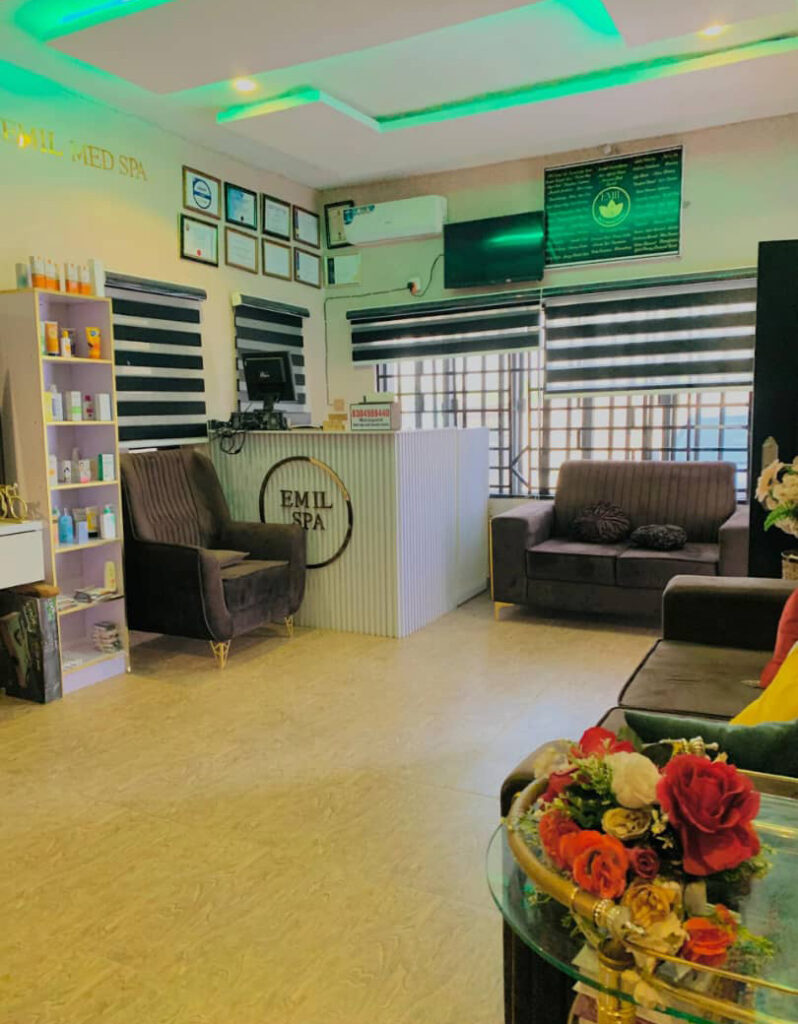
At Emil Spa Aesthetics, we believe that understanding the science behind skin rejuvenation empowers individuals to make informed decisions about their skincare journey. Professional assessment and customized recommendations can help you choose the treatments that best support your skin health and aesthetic goals.

Skin boosters have become one of the most sought-after treatments in aesthetic medicine, helping to improve hydration, skin texture, and overall skin quality. In recent years, another regenerative treatment—PDRN—has gained significant attention for its ability to support skin repair and rejuvenation.
Because both treatments are associated with healthier, more radiant skin, many people wonder whether they are the same thing or which option is better for their concerns. While PDRN and traditional skin boosters share some similarities, they work in different ways and are often used for different goals.
Understanding these differences can help you make informed decisions about your skincare and aesthetic treatment options.
What Are Traditional Skin Boosters?
Traditional skin boosters are injectable treatments designed primarily to improve skin hydration and enhance overall skin quality.
Most skin boosters contain ingredients such as hyaluronic acid, which naturally attracts and retains water within the skin.
The primary goals of traditional skin boosters include:
They are often recommended for individuals with dehydrated, dull, or tired-looking skin.
What Is PDRN?
PDRN, or Polydeoxyribonucleotide, is a regenerative compound used in aesthetic medicine to support tissue repair and skin renewal.
Unlike traditional skin boosters that focus largely on hydration, PDRN works by supporting the skin’s natural regenerative processes.
PDRN is commonly used to promote:
The Main Difference: Hydration vs Regeneration
The biggest distinction between these treatments lies in their primary purpose.
Traditional Skin Boosters
Their main objective is to improve skin hydration and enhance the appearance of the skin through increased moisture retention.
PDRN
PDRN focuses on supporting tissue repair and regeneration by encouraging healthier cellular activity.
In simple terms:
How They Improve Skin Quality
Both treatments can improve skin quality, but they often achieve these results through different mechanisms.
Benefits of Traditional Skin Boosters
Potential Benefits of PDRN
Which Treatment Is Better for Aging Skin?
The answer depends on your individual skin concerns and treatment goals.
You May Consider Traditional Skin Boosters If You:
You May Consider PDRN If You:
Can PDRN and Skin Boosters Be Combined?
Yes.
In aesthetic medicine, treatments are often customized to address multiple concerns simultaneously.
Because hydration and regeneration serve different purposes, some treatment plans may incorporate both approaches to improve overall skin quality.
A professional consultation can determine the most appropriate strategy based on your individual needs and goals.
What Results Can You Expect?
Traditional Skin Boosters
Many individuals notice improvements in:
PDRN
Results are often more gradual because regenerative processes take time.
Individuals may notice improvements in:
Which Treatment Should You Choose?
There is no single treatment that is best for everyone.
The right option depends on several factors, including:
A personalized consultation can help determine which treatment—or combination of treatments—is most appropriate for your goals.
Final Thoughts
Although PDRN and traditional skin boosters are both used to improve skin quality, they are not the same treatment. Traditional skin boosters primarily focus on hydration and radiance, while PDRN supports the skin’s natural repair and regenerative processes.
Rather than competing treatments, they are often complementary approaches that can be incorporated into personalized aesthetic treatment plans.
At Emil Spa Aesthetics, we believe that understanding the science behind skin rejuvenation empowers individuals to make informed decisions about their skincare journey. Professional assessment and customized recommendations can help you choose the treatments that best support your skin health and aesthetic goals.