Every day, your skin is exposed to environmental factors that can affect its health and appearance. Sunlight, pollution, cigarette smoke, poor diet, and even psychological stress can gradually damage skin cells over time. One of the main processes responsible for this damage is known as oxidative stress.
Although oxidative stress is a natural part of aging, excessive exposure to harmful environmental factors can accelerate skin aging, contribute to pigmentation concerns, and weaken the skin’s natural defenses.
Understanding oxidative stress is an important step toward protecting your skin and maintaining a healthy, youthful complexion.
What Is Oxidative Stress?
Oxidative stress occurs when there is an imbalance between free radicals and the body’s ability to neutralize them using antioxidants.
Free radicals are unstable molecules produced naturally during normal body functions. They can also form in response to environmental exposures such as:
Ultraviolet (UV) radiation
Air pollution
Cigarette smoke
Poor nutrition
Chronic stress
Lack of sleep
When free radicals accumulate faster than the body can control them, they may begin to damage healthy skin cells.
How Does Oxidative Stress Affect the Skin?
Over time, oxidative stress can interfere with the skin’s natural repair processes and contribute to visible signs of aging.
Premature Skin Aging
Oxidative stress can damage important structural components of the skin, making it appear less firm and resilient.
Common signs include:
Fine lines
Wrinkles
Loss of elasticity
Dull complexion
Uneven Skin Tone and Hyperpigmentation
Inflammation triggered by oxidative stress may stimulate excess melanin production, contributing to:
Dark spots
Sun spots
Post-inflammatory hyperpigmentation
Uneven skin tone
Weakened Skin Barrier
A healthy skin barrier protects against moisture loss and environmental irritants.
Oxidative damage may weaken this barrier, leading to:
Dryness
Sensitivity
Redness
Increased irritation
Slower Skin Repair
Healthy skin constantly renews itself. Excessive oxidative stress can slow this natural process, making it more difficult for the skin to recover from daily wear and tear.
Common Sources of Free Radicals
Many everyday exposures increase free radical production.
These include:
Prolonged sun exposure
Environmental pollution
Smoking
Excessive alcohol consumption
Poor dietary habits
Chronic emotional stress
Inadequate sleep
While these factors cannot always be avoided, understanding their effects can help you make healthier choices.
How Can You Protect Your Skin?
Wear Sunscreen Every Day
Daily sunscreen is one of the most effective ways to reduce UV-induced oxidative damage.
Choose a broad-spectrum sunscreen and apply it consistently, even on cloudy days.
Eat an Antioxidant-Rich Diet
Foods rich in antioxidants help support your body’s natural defense systems.
Include plenty of:
Fruits
Vegetables
Nuts
Seeds
Whole grains
A balanced diet benefits both your overall health and your skin.
Use Antioxidant Skincare
Professional skincare products containing ingredients such as Vitamin C, Vitamin E, niacinamide, and ferulic acid may help protect the skin against environmental damage and support a brighter complexion.
Your skincare professional can recommend products that are suitable for your skin type.
Support Your Skin Barrier
A healthy skin barrier is better equipped to defend against external stressors.
Gentle cleansing, regular moisturizing, and avoiding harsh products all contribute to stronger barrier function.
Manage Lifestyle Factors
Simple lifestyle habits can make a significant difference.
Aim to:
Get adequate sleep
Stay hydrated
Exercise regularly
Manage stress
Avoid smoking
These habits support both skin health and overall well-being.
Why Professional Skin Analysis Is Important
Not all skin concerns are caused by the same factors.
A professional skin analysis can identify:
Signs of oxidative damage
Pigmentation concerns
Barrier impairment
Early signs of aging
This allows your skincare practitioner to recommend personalized treatments and products tailored to your needs.
Supporting Healthy Skin Through Professional Treatments
Depending on your skin concerns, a skincare professional may recommend treatments designed to improve skin quality and support natural renewal, such as:
Medical-grade chemical peels
Antioxidant facial treatments
Skin boosters
Professional skincare regimens
A personalized treatment plan helps ensure safe and effective results.
Final Thoughts
Oxidative stress is one of the major contributors to premature skin aging and many common skin concerns. While it cannot be eliminated entirely, understanding its effects and taking preventive measures can significantly improve your skin’s long-term health.
By protecting your skin from environmental damage, maintaining a healthy lifestyle, and seeking professional skincare advice, you can help preserve your skin’s strength, radiance, and youthful appearance.
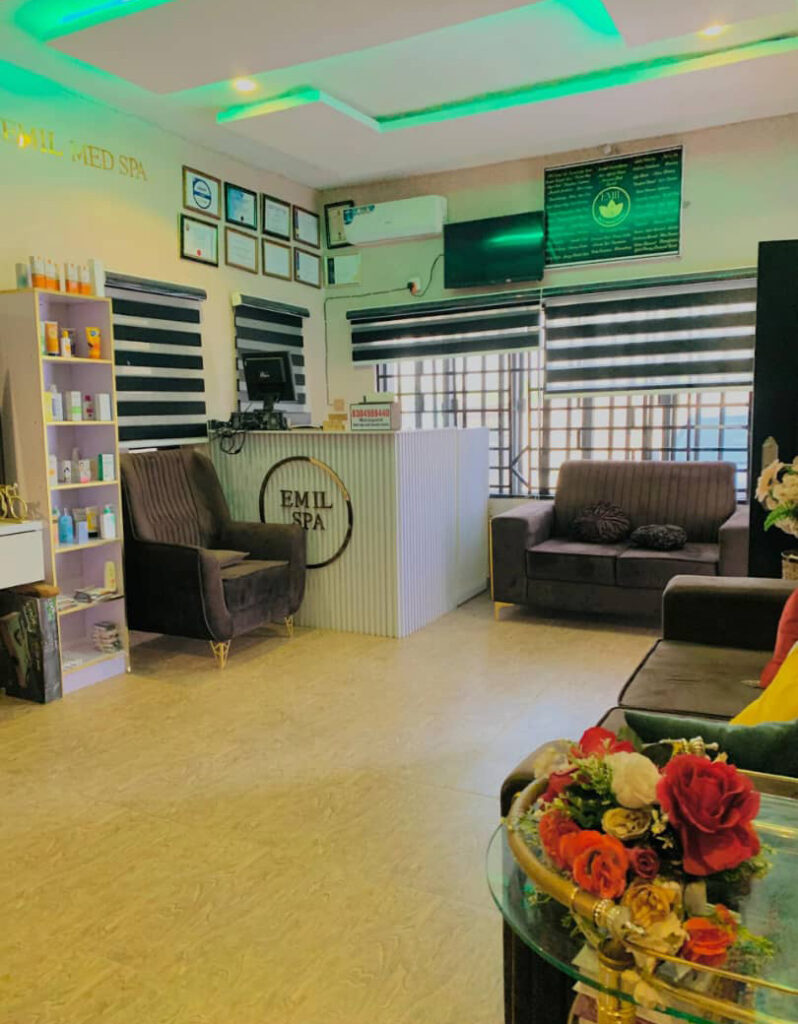
At Emil Spa Aesthetics, we believe that prevention is just as important as treatment. Through professional skin analysis, personalized skincare plans, and advanced aesthetic treatments, we help our clients protect their skin from oxidative damage and achieve healthier, more radiant skin.

Every day, your skin is exposed to environmental factors that can affect its health and appearance. Sunlight, pollution, cigarette smoke, poor diet, and even psychological stress can gradually damage skin cells over time. One of the main processes responsible for this damage is known as oxidative stress.
Although oxidative stress is a natural part of aging, excessive exposure to harmful environmental factors can accelerate skin aging, contribute to pigmentation concerns, and weaken the skin’s natural defenses.
Understanding oxidative stress is an important step toward protecting your skin and maintaining a healthy, youthful complexion.
What Is Oxidative Stress?
Oxidative stress occurs when there is an imbalance between free radicals and the body’s ability to neutralize them using antioxidants.
Free radicals are unstable molecules produced naturally during normal body functions. They can also form in response to environmental exposures such as:
When free radicals accumulate faster than the body can control them, they may begin to damage healthy skin cells.
How Does Oxidative Stress Affect the Skin?
Over time, oxidative stress can interfere with the skin’s natural repair processes and contribute to visible signs of aging.
Premature Skin Aging
Oxidative stress can damage important structural components of the skin, making it appear less firm and resilient.
Common signs include:
Uneven Skin Tone and Hyperpigmentation
Inflammation triggered by oxidative stress may stimulate excess melanin production, contributing to:
Weakened Skin Barrier
A healthy skin barrier protects against moisture loss and environmental irritants.
Oxidative damage may weaken this barrier, leading to:
Slower Skin Repair
Healthy skin constantly renews itself. Excessive oxidative stress can slow this natural process, making it more difficult for the skin to recover from daily wear and tear.
Common Sources of Free Radicals
Many everyday exposures increase free radical production.
These include:
While these factors cannot always be avoided, understanding their effects can help you make healthier choices.
How Can You Protect Your Skin?
Wear Sunscreen Every Day
Daily sunscreen is one of the most effective ways to reduce UV-induced oxidative damage.
Choose a broad-spectrum sunscreen and apply it consistently, even on cloudy days.
Eat an Antioxidant-Rich Diet
Foods rich in antioxidants help support your body’s natural defense systems.
Include plenty of:
A balanced diet benefits both your overall health and your skin.
Use Antioxidant Skincare
Professional skincare products containing ingredients such as Vitamin C, Vitamin E, niacinamide, and ferulic acid may help protect the skin against environmental damage and support a brighter complexion.
Your skincare professional can recommend products that are suitable for your skin type.
Support Your Skin Barrier
A healthy skin barrier is better equipped to defend against external stressors.
Gentle cleansing, regular moisturizing, and avoiding harsh products all contribute to stronger barrier function.
Manage Lifestyle Factors
Simple lifestyle habits can make a significant difference.
Aim to:
These habits support both skin health and overall well-being.
Why Professional Skin Analysis Is Important
Not all skin concerns are caused by the same factors.
A professional skin analysis can identify:
This allows your skincare practitioner to recommend personalized treatments and products tailored to your needs.
Supporting Healthy Skin Through Professional Treatments
Depending on your skin concerns, a skincare professional may recommend treatments designed to improve skin quality and support natural renewal, such as:
A personalized treatment plan helps ensure safe and effective results.
Final Thoughts
Oxidative stress is one of the major contributors to premature skin aging and many common skin concerns. While it cannot be eliminated entirely, understanding its effects and taking preventive measures can significantly improve your skin’s long-term health.
By protecting your skin from environmental damage, maintaining a healthy lifestyle, and seeking professional skincare advice, you can help preserve your skin’s strength, radiance, and youthful appearance.
At Emil Spa Aesthetics, we believe that prevention is just as important as treatment. Through professional skin analysis, personalized skincare plans, and advanced aesthetic treatments, we help our clients protect their skin from oxidative damage and achieve healthier, more radiant skin.