As we age, our skin naturally loses elasticity, collagen production slows, and facial tissues begin to sag. For many people, these changes can affect confidence and prompt the search for effective facial rejuvenation treatments. Two popular options available today are Endolift and the traditional surgical facelift.
While both treatments aim to improve facial contours and reduce signs of aging, they differ significantly in procedure, recovery time, cost, and results. Understanding these differences can help you determine which option best suits your goals.
What Is Endolift?
Endolift is a minimally invasive laser treatment designed to tighten the skin, stimulate collagen production, and reduce localized fat deposits. The procedure uses ultra-thin optical fibers inserted beneath the skin to deliver laser energy directly to targeted tissues.
The laser energy stimulates collagen remodeling while tightening the skin from within, resulting in a firmer, more youthful appearance without the need for surgery.
Common Areas Treated with Endolift
Jawline and jowls
Chin and neck
Cheeks
Under-eye area
Lower face
Nasolabial folds
Because Endolift does not require surgical incisions, many patients appreciate its shorter recovery period and natural-looking results.
What Is a Surgical Facelift?
A surgical facelift, also known as a rhytidectomy, is a cosmetic surgical procedure that addresses moderate to severe facial aging by lifting and repositioning underlying tissues and removing excess skin.
During the procedure, incisions are typically made around the ears and hairline, allowing the surgeon to tighten facial structures and create a smoother, more youthful appearance.
A surgical facelift can produce dramatic and long-lasting improvements, especially for individuals experiencing significant skin laxity.
Key Differences Between Endolift and Surgical Facelift
1. Invasiveness
Endolift
Minimally invasive
No major incisions
No stitches required
Usually performed under local anesthesia
Surgical Facelift
Fully surgical procedure
Requires incisions and sutures
Typically performed under general anesthesia or sedation
2. Recovery Time
Endolift
Minimal downtime
Most patients return to normal activities within a few days
Surgical Facelift
Recovery may take several weeks
Swelling and bruising can persist for an extended period
3. Results
Endolift
Gradual improvement as collagen production increases
Natural-looking enhancement
Best for mild to moderate skin laxity
Surgical Facelift
More dramatic lifting and contouring
Ideal for advanced signs of aging
Immediate structural improvement following recovery
4. Longevity
Endolift
Results can last several years depending on age, lifestyle, and skin condition
Maintenance treatments may be recommended
Surgical Facelift
Results often last significantly longer
Aging continues naturally, but improvements remain visible for many years
5. Cost
Endolift generally costs less than a surgical facelift because it does not involve operating theatre fees, hospitalization, or extensive recovery care.
However, treatment costs vary depending on individual needs and treatment areas.
Who Is a Good Candidate for Endolift?
Endolift may be suitable if you:
Have mild to moderate skin sagging
Want to avoid surgery
Prefer minimal downtime
Desire natural-looking rejuvenation
Are seeking preventive anti-aging treatments
Many patients in their 30s, 40s, and early 50s find Endolift to be an effective option for maintaining youthful facial contours.
Who Is a Good Candidate for a Surgical Facelift?
A surgical facelift may be more appropriate if you:
Have significant skin laxity
Experience deep facial folds
Want more dramatic correction
Are comfortable with surgery and recovery time
Seek long-lasting structural improvements
Patients with advanced signs of aging often achieve better results with surgical intervention.
Which Treatment Produces More Natural Results?
Both procedures can provide natural-looking outcomes when performed by experienced professionals.
Endolift typically offers subtle and progressive improvements that preserve facial expression and character. Surgical facelifts can also appear natural when properly executed, though the changes are usually more noticeable.
The best choice depends on your goals, anatomy, and expectations.
Can Endolift Be Combined with Other Treatments?
Yes. Endolift is often combined with complementary aesthetic treatments such as:
Skin boosters
Dermal fillers
Chemical peels
Botox
Skin tightening procedures
These combinations can further enhance facial rejuvenation and improve overall skin quality.
Final Thoughts
Choosing between Endolift and a surgical facelift depends on several factors, including the degree of facial aging, desired results, recovery preferences, and overall treatment goals.
If you are looking for a minimally invasive solution with little downtime and natural-looking improvement, Endolift may be an excellent choice. If you require significant lifting and correction of advanced aging signs, a surgical facelift may offer more comprehensive results.
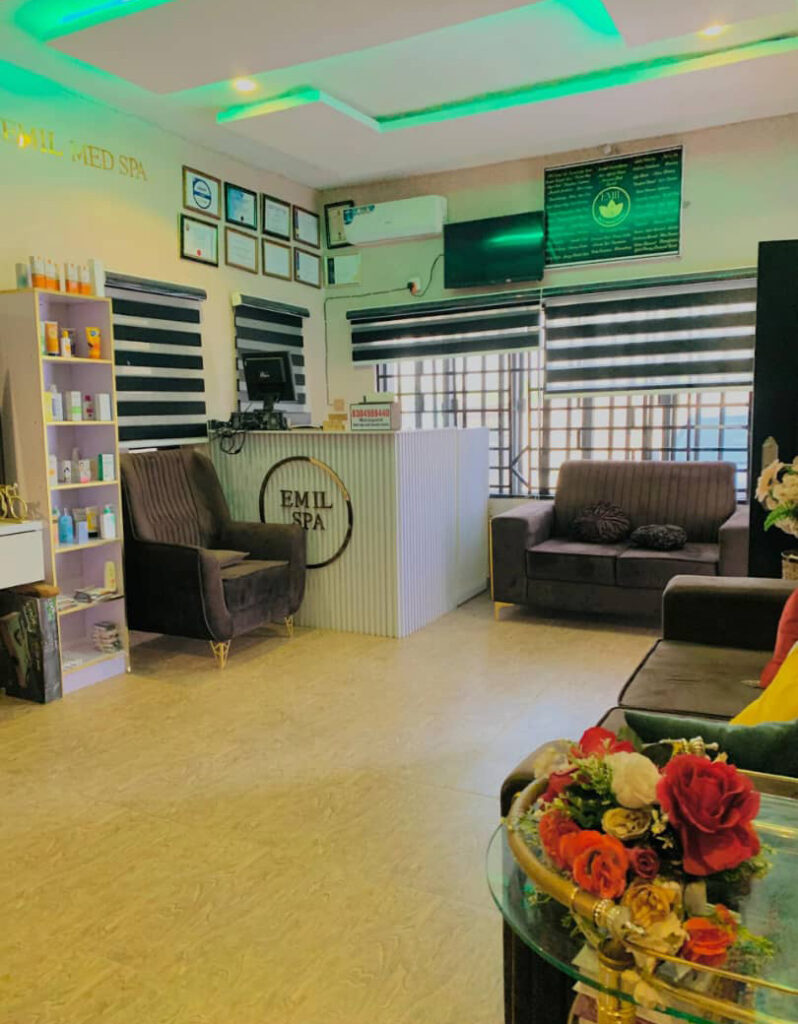
A professional consultation is the best way to determine which treatment is right for your unique facial structure and aesthetic goals. At Emil Spa Aesthetics, we provide personalized assessments and treatment recommendations to help you achieve a refreshed, confident appearance.

As we age, our skin naturally loses elasticity, collagen production slows, and facial tissues begin to sag. For many people, these changes can affect confidence and prompt the search for effective facial rejuvenation treatments. Two popular options available today are Endolift and the traditional surgical facelift.
While both treatments aim to improve facial contours and reduce signs of aging, they differ significantly in procedure, recovery time, cost, and results. Understanding these differences can help you determine which option best suits your goals.
What Is Endolift?
Endolift is a minimally invasive laser treatment designed to tighten the skin, stimulate collagen production, and reduce localized fat deposits. The procedure uses ultra-thin optical fibers inserted beneath the skin to deliver laser energy directly to targeted tissues.
The laser energy stimulates collagen remodeling while tightening the skin from within, resulting in a firmer, more youthful appearance without the need for surgery.
Common Areas Treated with Endolift
Because Endolift does not require surgical incisions, many patients appreciate its shorter recovery period and natural-looking results.
What Is a Surgical Facelift?
A surgical facelift, also known as a rhytidectomy, is a cosmetic surgical procedure that addresses moderate to severe facial aging by lifting and repositioning underlying tissues and removing excess skin.
During the procedure, incisions are typically made around the ears and hairline, allowing the surgeon to tighten facial structures and create a smoother, more youthful appearance.
A surgical facelift can produce dramatic and long-lasting improvements, especially for individuals experiencing significant skin laxity.
Key Differences Between Endolift and Surgical Facelift
1. Invasiveness
Endolift
Surgical Facelift
2. Recovery Time
Endolift
Surgical Facelift
3. Results
Endolift
Surgical Facelift
4. Longevity
Endolift
Surgical Facelift
5. Cost
Endolift generally costs less than a surgical facelift because it does not involve operating theatre fees, hospitalization, or extensive recovery care.
However, treatment costs vary depending on individual needs and treatment areas.
Who Is a Good Candidate for Endolift?
Endolift may be suitable if you:
Many patients in their 30s, 40s, and early 50s find Endolift to be an effective option for maintaining youthful facial contours.
Who Is a Good Candidate for a Surgical Facelift?
A surgical facelift may be more appropriate if you:
Patients with advanced signs of aging often achieve better results with surgical intervention.
Which Treatment Produces More Natural Results?
Both procedures can provide natural-looking outcomes when performed by experienced professionals.
Endolift typically offers subtle and progressive improvements that preserve facial expression and character. Surgical facelifts can also appear natural when properly executed, though the changes are usually more noticeable.
The best choice depends on your goals, anatomy, and expectations.
Can Endolift Be Combined with Other Treatments?
Yes. Endolift is often combined with complementary aesthetic treatments such as:
These combinations can further enhance facial rejuvenation and improve overall skin quality.
Final Thoughts
Choosing between Endolift and a surgical facelift depends on several factors, including the degree of facial aging, desired results, recovery preferences, and overall treatment goals.
If you are looking for a minimally invasive solution with little downtime and natural-looking improvement, Endolift may be an excellent choice. If you require significant lifting and correction of advanced aging signs, a surgical facelift may offer more comprehensive results.
A professional consultation is the best way to determine which treatment is right for your unique facial structure and aesthetic goals. At Emil Spa Aesthetics, we provide personalized assessments and treatment recommendations to help you achieve a refreshed, confident appearance.