Understanding the Pathophysiology and Management of Acne
Acne is one of the most common dermatological conditions affecting both adolescents and adults. It develops due to a combination of factors involving the hair follicles, sebaceous glands, bacteria, and the body’s immune response. Understanding its pathophysiology and management is essential for achieving healthy, clear, and radiant skin.
Pathophysiology of Acne
Acne begins deep within the skin at the level of the pilosebaceous unit, which consists of the hair follicle and sebaceous gland. The process involves several interconnected mechanisms:
- Excess Sebum Production
The sebaceous glands produce an oily substance known as sebum. Hormonal fluctuations, particularly increased androgen activity, stimulate excessive sebum production. This oil combines with dead skin cells and clogs the hair follicle opening.
- Abnormal Follicular Keratinization
Normally, dead skin cells shed from the follicle lining. However, in acne-prone skin, this shedding process becomes irregular, leading to the accumulation of keratin and sebum, forming microcomedones the earliest form of acne lesions
- Bacterial Proliferation
The clogged follicles create an ideal environment for Cutibacterium acnes (formerly Propionibacterium acnes) to thrive. This bacterium triggers an inflammatory response, resulting in redness, swelling, and the formation of papules, pustules, or cysts.
- Inflammatory Response
The immune system reacts to bacterial growth and sebum accumulation by releasing inflammatory mediators. This inflammation contributes significantly to the visible lesions associated with acne.
Causes and Trigger Factors
Acne can be influenced by multiple internal and external factors, including:
Hormonal Changes: Androgen surges during puberty, menstruation, pregnancy, or certain hormonal therapies can overstimulate sebaceous glands.
Genetic Predisposition: A family history of acne often increases one’s likelihood of developing the condition.
Dietary Factors: Diets rich in high glycemic index foods, dairy, and processed sugars can exacerbate acne symptoms.
Cosmetic Products: Comedogenic or oil-based products can clog pores and worsen acne.
Stress: Psychological stress increases cortisol levels, indirectly stimulating sebum production and inflammation.
Environmental Factors: Heat, humidity, and pollution can contribute to skin irritation and blocked pores.
Medications: Certain drugs, such as corticosteroids, lithium, or androgens, may provoke acne-like eruptions.
These triggers vary among individuals, emphasizing the importance of a personalized skin assessment and treatment approach.
Management and Therapeutic Approach
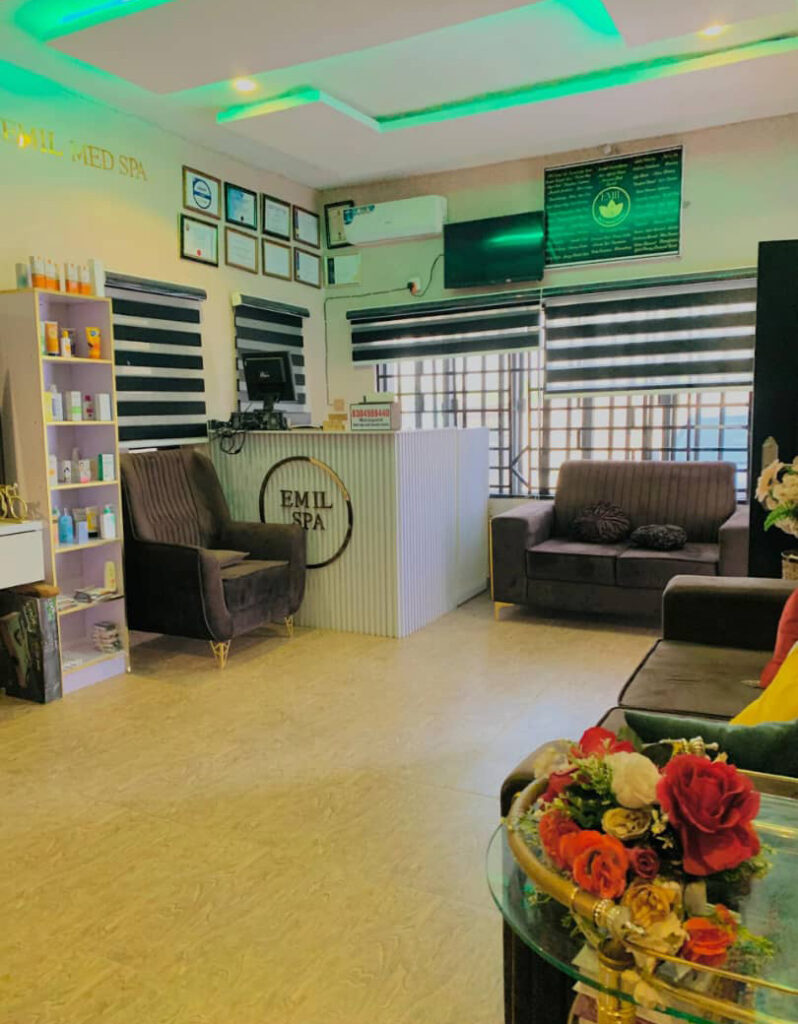
Effective acne management focuses on reducing inflammation, controlling sebum production, preventing follicular blockage, and minimizing scarring. At Emil Spa and Beauty Haven, acne treatment is tailored through a combination of clinical expertise, advanced technology, and personalized skincare routines.
Conclusion
Acne is more than a surface-level condition it is a multifactorial skin disorder influenced by hormonal, genetic, microbial, and environmental factors. With the right diagnosis, management, and treatment plan, clear and healthy skin is achievable.
At Emil Spa and Beauty Haven, our dermatologically supervised acne management programs combine science, technology, and personalized care to restore your confidence and enhance your natural glow.
Dermatology #acne#acnepathophysiology#skinhealth#selfcare#healthliving#diet#aesthetics#emilsspa#acnecontrolmanagement.

Understanding the Pathophysiology and Management of Acne
Acne is one of the most common dermatological conditions affecting both adolescents and adults. It develops due to a combination of factors involving the hair follicles, sebaceous glands, bacteria, and the body’s immune response. Understanding its pathophysiology and management is essential for achieving healthy, clear, and radiant skin.
Pathophysiology of Acne
Acne begins deep within the skin at the level of the pilosebaceous unit, which consists of the hair follicle and sebaceous gland. The process involves several interconnected mechanisms:
The sebaceous glands produce an oily substance known as sebum. Hormonal fluctuations, particularly increased androgen activity, stimulate excessive sebum production. This oil combines with dead skin cells and clogs the hair follicle opening.
Normally, dead skin cells shed from the follicle lining. However, in acne-prone skin, this shedding process becomes irregular, leading to the accumulation of keratin and sebum, forming microcomedones the earliest form of acne lesions
The clogged follicles create an ideal environment for Cutibacterium acnes (formerly Propionibacterium acnes) to thrive. This bacterium triggers an inflammatory response, resulting in redness, swelling, and the formation of papules, pustules, or cysts.
The immune system reacts to bacterial growth and sebum accumulation by releasing inflammatory mediators. This inflammation contributes significantly to the visible lesions associated with acne.
Causes and Trigger Factors
Acne can be influenced by multiple internal and external factors, including:
Hormonal Changes: Androgen surges during puberty, menstruation, pregnancy, or certain hormonal therapies can overstimulate sebaceous glands.
Genetic Predisposition: A family history of acne often increases one’s likelihood of developing the condition.
Dietary Factors: Diets rich in high glycemic index foods, dairy, and processed sugars can exacerbate acne symptoms.
Cosmetic Products: Comedogenic or oil-based products can clog pores and worsen acne.
Stress: Psychological stress increases cortisol levels, indirectly stimulating sebum production and inflammation.
Environmental Factors: Heat, humidity, and pollution can contribute to skin irritation and blocked pores.
Medications: Certain drugs, such as corticosteroids, lithium, or androgens, may provoke acne-like eruptions.
These triggers vary among individuals, emphasizing the importance of a personalized skin assessment and treatment approach.
Management and Therapeutic Approach
Effective acne management focuses on reducing inflammation, controlling sebum production, preventing follicular blockage, and minimizing scarring. At Emil Spa and Beauty Haven, acne treatment is tailored through a combination of clinical expertise, advanced technology, and personalized skincare routines.
Conclusion
Acne is more than a surface-level condition it is a multifactorial skin disorder influenced by hormonal, genetic, microbial, and environmental factors. With the right diagnosis, management, and treatment plan, clear and healthy skin is achievable.
At Emil Spa and Beauty Haven, our dermatologically supervised acne management programs combine science, technology, and personalized care to restore your confidence and enhance your natural glow.
Dermatology #acne#acnepathophysiology#skinhealth#selfcare#healthliving#diet#aesthetics#emilsspa#acnecontrolmanagement.